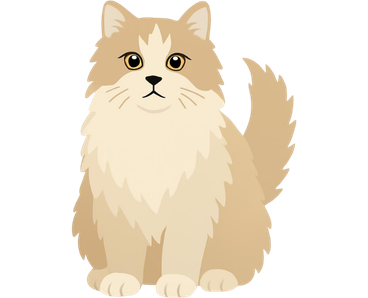


Taking care of a Ragamuffin cat means keeping it well-fed, comfortable, clean, and healthy. From brushing its coat to choosing the right food, small daily habits can make a big difference to your cat’s well-being. Knowing how to care for your cat at home also helps you maintain its routine when you need extra help or plan to travel.
Grooming Your Ragamuffin Cat
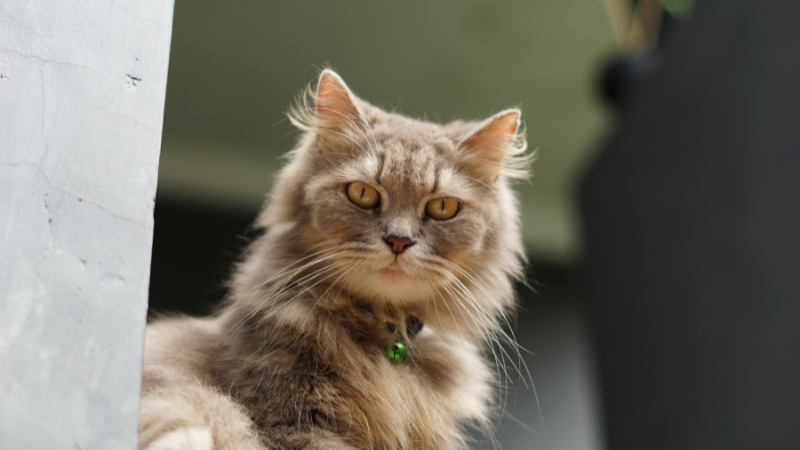
Ragamuffin cats have soft, medium-to-long coats that need regular brushing to prevent tangles and remove loose fur. A little grooming throughout the week can help keep their coats in good condition.
Brush a few times a week: Use a gentle cat brush to remove loose hair and keep the coat smooth.
Check for tangles: Pay extra attention behind the ears, under the legs, and around the neck.
Keep nail care in mind: Trim your cat’s nails when needed using suitable cat nail clippers.
Check the eyes and ears: Look for redness, unusual discharge, or signs of irritation.
Make grooming a positive experience: Keep sessions short and gentle, especially if your cat is not used to being brushed.
If you find a tight mat that you cannot remove gently, ask a professional groomer or veterinarian for help rather than pulling at it.
Feeding Your Ragamuffin Cat
A healthy diet helps your Ragamuffin maintain its energy, muscle strength, and overall health. Choose complete and balanced cat food that suits its age and individual needs.
Keep these simple feeding habits in mind:
Choose suitable cat food: Kittens, adult cats, and senior cats may need different nutritional formulas.
Measure each meal: Follow the feeding guidance on the packaging and adjust portions based on your cat’s weight and activity.
Keep fresh water available: Wash the water bowl regularly and refill it throughout the day.
Offer treats in moderation: Too many treats can add unnecessary calories.
Watch for changes in appetite: Eating much more or less than usual may be a sign that something is wrong.
Wet food can help increase your cat’s water intake, while dry food can also be part of a balanced diet. If you are unsure what or how much to feed your Ragamuffin, your veterinarian can help you choose an appropriate diet.
Keeping Your Ragamuffin at a Healthy Weight
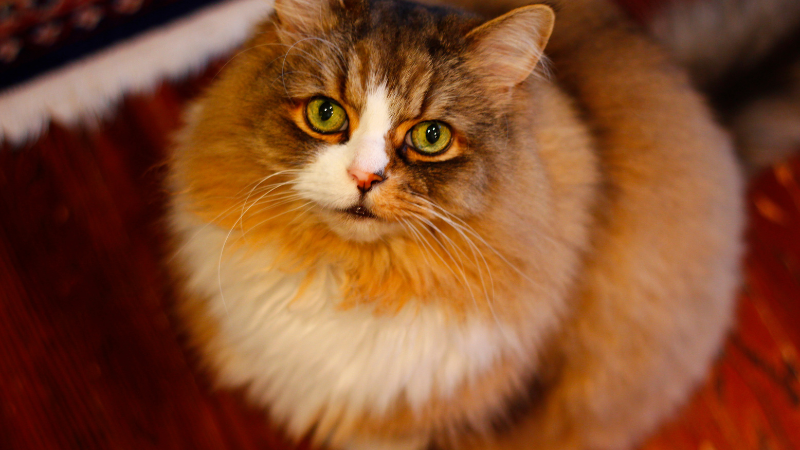
Ragamuffin cats can gain excess weight if they eat more calories than they use. Maintaining a healthy weight helps reduce strain on their joints and supports their long-term health.
Measure food portions rather than continually refilling the bowl, and make time for daily play. Check your cat’s body shape and weight regularly, too.
If your cat is gaining weight despite eating appropriate portions, speak with your veterinarian. They can help determine whether its diet or activity routine needs to change. Avoid putting your cat on a restrictive diet without professional advice.
Playtime and Daily Exercise
Indoor cats still need regular exercise to stay active and avoid boredom. The good news is that keeping your Ragamuffin moving does not need to be complicated.
Try playing with a wand toy, rolling a ball across the floor, or providing scratching posts and safe climbing spaces. You can also rotate your cat’s toys every few days to keep things interesting.
Short play sessions throughout the day often work well. Let your cat take breaks whenever it needs to rest, and always use toys that are safe for cats.
Litter Box Care and Hygiene
A clean litter box makes everyday life more comfortable for your cat. It also helps you notice changes in its bathroom habits.
Scoop the litter box daily and clean it regularly. Place it somewhere quiet and easy to reach, away from food and water bowls. If you have more than one cat, make sure there are enough litter boxes in separate locations.
Pay attention to changes such as urinating outside the box, straining, or passing unusually small amounts of urine. Contact your veterinarian if these problems occur. If your cat cannot urinate, seek emergency veterinary care.
Keeping Your Ragamuffin Healthy
Regular veterinary checkups help you stay on top of your cat’s health. Your veterinarian can advise you on vaccinations, parasite prevention, dental care, and any health checks your cat may need.
At home, get to know your cat’s usual habits so you can spot changes early. Watch its appetite, energy levels, weight, coat condition, and bathroom routine.
Dental problems and excess weight can affect any cat. Ragamuffins may also be at risk of certain inherited conditions, including hypertrophic cardiomyopathy (HCM), which affects the heart muscle. Ask your veterinarian whether any specific screening is appropriate for your cat.
If your Ragamuffin stops eating, vomits repeatedly, becomes unusually tired, or shows a noticeable change in behaviour, seek veterinary advice. Difficulty breathing or an inability to urinate requires urgent attention.
Making Your Home Comfortable and Safe
Your cat needs more than food and a clean litter box to feel comfortable. A safe, welcoming home gives it space to rest, play, and explore.
Make sure your Ragamuffin has a quiet place to sleep, fresh water, scratching surfaces, and comfortable hiding spots. Secure windows and balconies, and keep cleaning products, toxic plants, medicines, and small objects out of reach.
Try to keep feeding and playtime reasonably consistent each day. As your cat gets older, you may need to make small changes, such as providing easier access to its favourite resting spot or litter box.
Caring for Your Ragamuffin When You’re Away
If you need to travel or spend long hours away from home, plan how your cat will be fed, given fresh water, and checked on. Regular care is important even when you cannot be there yourself.
Cat Sitting at Home
If your Ragamuffin is most comfortable in familiar surroundings, arranging visits from a cat sitter may help maintain its usual routine. A sitter can help with feeding, refreshing water, cleaning the litter box, and checking on your cat while you are away.
You can learn more about cat sitting services if you need help maintaining your cat’s daily care routine.
Cat Boarding
Cat boarding is another option when your cat needs a place to stay while you travel. Before choosing a facility, ask about cleanliness, supervision, feeding routines, safety, and how the staff handle each cat’s individual needs.
Explore cat boarding services to review the available arrangements and decide whether boarding suits your Ragamuffin.
Whichever option you choose, share clear instructions about your cat’s food, medication, daily routine, and veterinary contact details.