


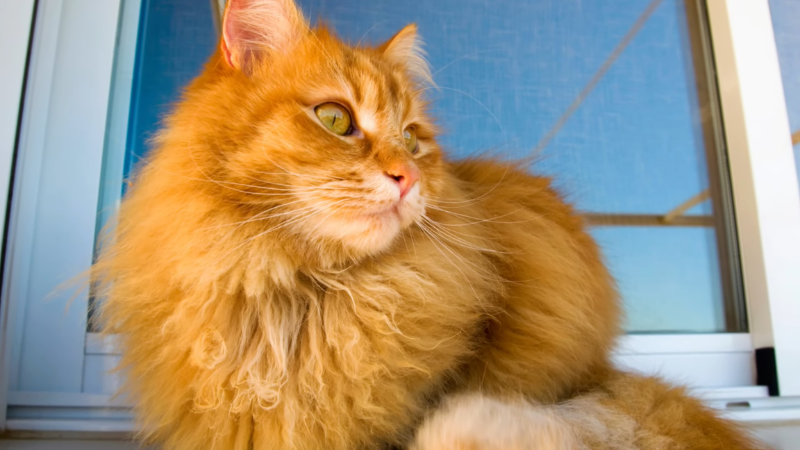
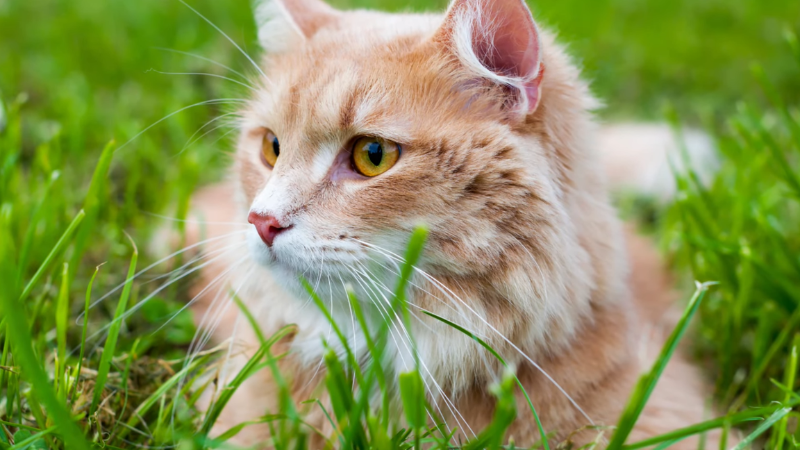
A Siberian cat is strong, playful and clever. It climbs to the highest shelf, plays with water, learns to open doors and wants to be part of whatever you are doing. That makes it great company, and it also means it needs steady care every day: play, fresh food and water, a safe home and someone around. This guide covers what your Siberian needs and how to keep those needs met when work or travel takes you away.
What a Siberian Cat Needs Every Day
- Two or three active play sessions
- Measured meals at regular times
- Fresh water, often in a bowl it can’t tip, or a fountain
- A clean litter box, scooped daily
- A safe home with closed balconies and secure cupboards
- Some company and attention, not hours of being alone
When you are home, these fit easily into your day. The question is who keeps them going when you aren’t.
Play and Company, Even on Busy Days
A Siberian that doesn’t get enough play often turns to mischief, such as opening cupboards, knocking things over or crying at the door. Play for 10 to 15 minutes with a wand toy or fetch game before you leave, and leave puzzle feeders and climbing space for the hours you are out.
On long workdays or weeks of late nights, that may not be enough. A cat sitter visiting during the day can give your Siberian a proper play session, a fresh meal and some company, so it is calm rather than restless when you get home.
Food and Water Without Changes
Siberians do best when meals stay the same: the same food, the same portions and the same times.
- Feed a high-protein food with real meat listed first
- Give two or three measured meals a day, not a full bowl left out
- Use wet food for extra moisture
- Choose a heavy water bowl or a fountain, as many Siberians love to paw at water
Whoever feeds your cat while you are away should follow these exactly. Written portions and meal times make it easy for a sitter to keep your cat’s routine as it is at home.
A Safe Home, Whoever Is There
A cat that jumps high and opens doors needs a home set up for it:
- Keep balcony doors and windows closed or screened
- Put child-proof latches on cupboards with food or cleaning products
- Give it a tall, stable cat tree so it climbs where you want
- Keep cables and small objects out of reach
When a Pawland sitter looks after your Siberian, these home rules travel with them. Balcony doors are checked, cupboards stay shut and the home stays as safe as when you left it.
Coat Care Before and After a Trip
The Siberian coat needs brushing two or three times a week, and every day during the twice-yearly moult. Before you travel, give your cat a thorough brush so its coat starts tangle-free. If you come back to tight mats, see your vet or a professional groomer rather than cutting them yourself. Keep the home cool while you are away, as a thick-coated cat feels summer heat quickly.
Health Signs Every Caregiver Should Know
Anyone caring for your Siberian, you or a sitter, should know when to call the vet:
- Heavy or fast breathing at rest
- Hiding, or a sudden drop in energy
- Not eating, or eating and drinking much more than usual
- Changes in the litter box
- Limping, or not wanting to jump
- Vomiting more than once
A yearly vet visit is important. Ask your vet whether heart checks are worthwhile for your cat, as some Siberian lines can be affected by heart disease.
Choosing the Right Care for Your Siberian
Sitter Visits at Home
Your Siberian stays in its own space, and a sitter comes in once or twice a day to feed, refresh water, scoop the litter, check the home and play. This suits most Siberians, because they keep their territory and routine. For this active breed, two visits a day are usually better than one, as the play matters as much as the food.
Overnight Sitting
A sitter stays in your home overnight, so your cat has company in the evening and morning, the times it is most active. This suits Siberians that are very attached to their people, cats on medication, and longer trips.
Boarding in a Sitter’s Home
Your Siberian stays with a sitter in a real home rather than a cattery. For outgoing cats that enjoy new people, boarding in a home setting means company through the day and plenty of play, rather than long hours alone.
Which One Fits Your Trip
- A long workday or one evening out: a single sitter visit
- A weekend away: two sitter visits a day
- A week or longer, or a very attached cat: overnight sitting
- A sociable cat that enjoys new people: boarding in a sitter’s home
Getting Your Siberian Ready for a Sitter
Whichever option you choose, a little preparation helps your cat settle. Choose a sitter who has been checked and vetted, and leave them:
- Meal times, portions and favourite treats
- Which doors and cupboards your cat can open
- Balcony and window rules
- Its favourite games and toys
- Water bowl or fountain set-up
- Your vet’s details and any medication instructions
For boarding, pack your cat’s own food, a favourite toy and something that smells of home, such as a blanket.