
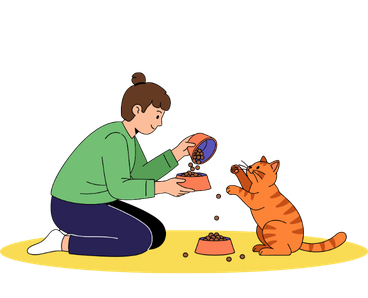


Cats are creatures of habit that thrive in stable and predictable environments. A consistent daily routine helps them feel secure, reduces stress, and supports their overall health and well-being. From regular feeding schedules and playtime to grooming and rest, routines provide structure that allows cats to understand what to expect each day.

Changes in a cat’s routine, such as irregular meal times, frequent schedule disruptions, or environmental changes, can lead to anxiety, behavioral issues, and even health concerns. By maintaining a predictable schedule, cat owners can help their pets feel more comfortable, confident, and relaxed.
Whether you have an energetic kitten, an active adult cat, or a senior feline, establishing and maintaining a routine is an essential part of responsible pet care. A well-structured routine not only improves your cat’s quality of life but also strengthens the bond between you and your furry companion.
Why Cats Thrive on Routine
Natural Instincts and Predictability
Deep within every domesticated cat lies the biological blueprint of a wild predator. In nature, survival depends on predictability, territory control, and timing. Wild felines schedule their days around the patterns of their prey, patrolling their borders at specific hours to avoid larger threats. When your cat lives in your home, they translate these ancestral survival instincts onto your daily schedule. They track your movements, memorizing when alarms ring, doors open, and footsteps approach. Knowing exactly what happens next provides a profound sense of safety. Without this reliable timeline, their internal compass fails, leaving them in a constant state of high alert.
How Changes Affect a Cat’s Behavior
When a cat’s established schedule fractures, their emotional distress rapidly manifests through behavioral changes. Because cats cannot voice their anxiety, they communicate displacement through sudden actions that owners often mistake for spite.
You might notice your cat engaging in destructive behaviors, such as hyper-focused scratching on furniture or frantic carpet digging. Others experience severe litter box regressions, suddenly urinating on your bed, clothes, or rugs to mask unfamiliar stressors with their own comforting scent.
Additionally, routine shifts frequently trigger nighttime vocalizations, vocal demands for food, or sudden hiding and social withdrawal. Recognizing these sudden shifts as direct cries for stability is the first step in restoring their peace of mind
How Cat Sitting Helps Maintain a Consistent Routine
When cat owners are away from home, maintaining a familiar routine becomes essential for their pet’s comfort and well-being. Professional cat sitting helps ensure that daily activities continue as usual, reducing stress and allowing cats to remain relaxed in their own environment. By following established schedules and care preferences, cat sitters provide stability that supports both physical health and emotional security.
Regular Feeding Schedules
Cats often expect their meals at specific times each day. A cat sitter helps maintain these feeding routines by providing food and fresh water according to the cat’s normal schedule. Consistent meal times support healthy digestion, prevent unnecessary stress, and help cats feel secure while their owners are away.
Consistent Playtime and Exercise
Daily play and exercise are important for a cat’s physical and mental health. Cat sitters can engage cats with their favorite toys and activities, helping them stay active and stimulated. Regular play sessions reduce boredom, encourage healthy movement, and provide valuable interaction that supports emotional well-being.
Maintaining Litter Box Habits
A clean and well-maintained litter box is a crucial part of a cat’s routine. Cat sitters ensure that litter boxes are cleaned regularly, helping cats continue their normal bathroom habits. Consistent litter box care promotes hygiene, reduces stress, and helps prevent behavioral issues related to an unclean environment.
Preserving Sleep and Rest Patterns
Cats spend a significant portion of their day resting and sleeping. Keeping their environment calm and familiar allows them to maintain their natural sleep patterns. Cat sitters minimize disruptions by respecting the cat’s preferred resting areas and daily schedule, helping them remain comfortable and relaxed throughout their owner’s absence.
Signs Your Cat Is Stressed by Routine Changes
Cats often show signs of stress when their daily routine is disrupted. Changes such as altered feeding times, unfamiliar visitors, travel, or extended periods without their owner can affect their behavior and overall well-being. Recognizing these signs early can help pet owners address potential issues and restore a sense of stability for their cat.
Changes in Appetite
One of the most common indicators of stress in cats is a noticeable change in eating habits. Some cats may eat less than usual or lose interest in food altogether, while others may begin eating more than normal. If appetite changes persist, it may be a sign that the cat is struggling to adjust to changes in its environment or routine.
Excessive Hiding or Clinginess
A stressed cat may seek comfort by hiding in quiet areas where it feels safe and protected. On the other hand, some cats become unusually attached to their owners or caregivers and constantly seek attention. Both behaviors can indicate that the cat is feeling uncertain or anxious due to disruptions in its normal routine.
Increased Vocalization
Cats experiencing stress may become more vocal than usual. Excessive meowing, yowling, or other vocal sounds can be their way of expressing discomfort, confusion, or a desire for reassurance. Sudden increases in vocalization should be monitored, especially if they coincide with recent changes in the household or daily schedule.
Litter Box Issues
Routine changes can sometimes lead to litter box problems. A stressed cat may begin avoiding the litter box, urinating outside the designated area, or showing other unusual bathroom behaviors. These issues can be linked to anxiety, environmental changes, or discomfort caused by disruptions in their regular habits. Maintaining a consistent routine and ensuring a clean litter box can help reduce the likelihood of these problems.
How Pawland Maintains Your Cat’s Essential Daily Routine

Benefits of Routine-Based Cat Sitting
Routine-based cat sitting provides more than basic care while a pet owner is away. By maintaining familiar schedules and daily habits, cat sitters help create a stable environment that supports a cat’s overall well-being. Consistency in feeding, playtime, rest, and litter box maintenance can make a significant difference in how a cat responds to temporary changes, such as an owner’s absence.
Reduced Anxiety and Stress
Cats feel most comfortable when their daily routine remains predictable. Routine-based cat sitting helps minimize disruptions by following the cat’s normal schedule as closely as possible. This consistency reduces uncertainty and stress, allowing cats to feel safer and more secure in their familiar surroundings.
Better Physical Health
Maintaining regular feeding times, exercise, and proper hygiene supports a cat’s physical health. A cat sitter can ensure meals are provided on schedule, fresh water is always available, and litter boxes remain clean. Consistent care helps prevent digestive issues, encourages healthy activity levels, and allows potential health concerns to be noticed early.
Improved Emotional Well-Being
Cats thrive when they receive regular interaction and attention. Routine-based cat sitting provides companionship, playtime, and positive engagement that help prevent loneliness and boredom. Familiar activities and consistent care can keep cats emotionally balanced and more comfortable during periods when their owners are away.
Easier Adjustment During Owner Absence
Being separated from their owner can be challenging for some cats. A routine-focused approach helps maintain a sense of normalcy, making the transition easier and less stressful. By preserving familiar habits and daily schedules, cat sitters help cats adapt more comfortably to temporary changes while ensuring their needs continue to be met.