

The Belgian Shepherd is a highly intelligent, versatile herding dog known for its intense work ethic and athletic build. Originating in Europe during the late 1890s, this canine was initially bred to guard livestock and assist farmers. Today, it stands out as one of the premier working animals globally, widely utilized in military operations, law enforcement, and search and rescue missions due to its extreme trainability and sharp protective instincts.
This comprehensive overview explores the unique framework of the Belgian Shepherd, which is split into four distinct types: the Malinois, Groenendael, Tervuren, and Laekenois. While most global registries classify them as a single breed with different coat variations, some major kennel clubs recognize them as separate breeds entirely. Read on to master their shared history, physical differences, and international recognition statuses.
The Four Belgian Shepherd Dog Breeds
While these varieties share a foundational lineage, temperament, and structural build, they are distinguished visually by their coat length, color, and texture. Below is an in-depth breakdown of each of the four varieties.
Belgian Malinois
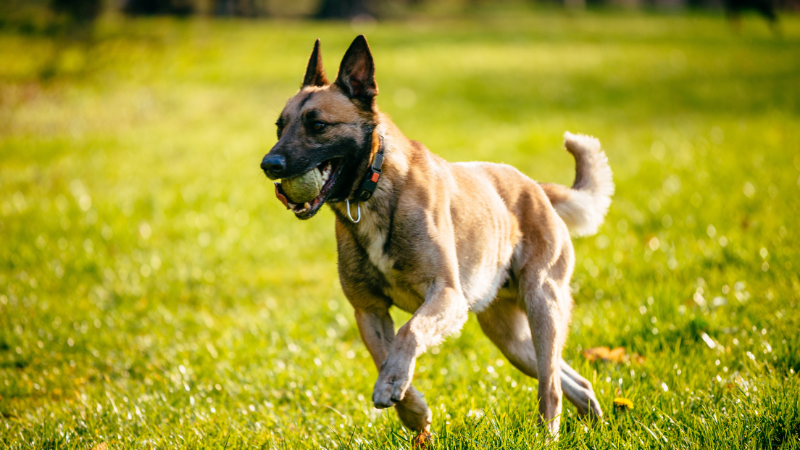
- Visual Profile: Short, smooth, weather-resistant coat, typically rich fawn to mahogany with a distinct black mask and ears.
- Core Characteristics: World-renowned for high drive, extreme agility, and unmatched work ethic.
- Primary Roles: The ultimate modern working dog, heavily favored by elite military (like Navy SEALs) and police K9 units.
- Owner Suitability: Requires experienced handlers who can provide extensive physical exercise and daily mental stimulation.
Belgian Tervuren
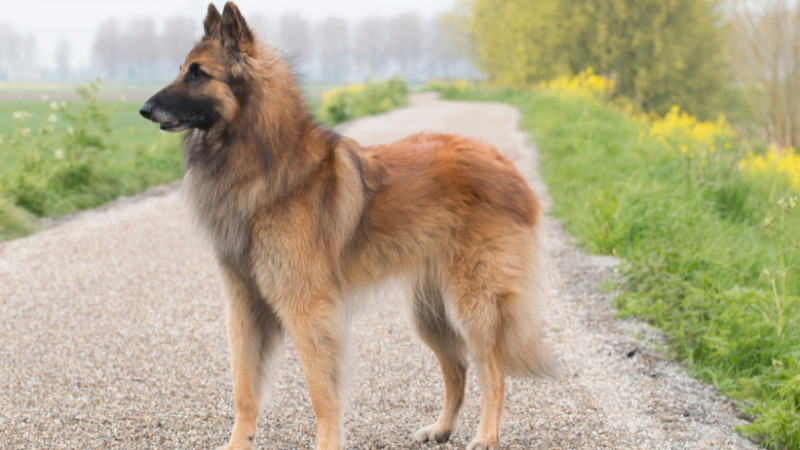
- Visual Profile: Long, abundant double coat, fawn-to-mahogany with black overlay, framing a heavy ruff around the neck.
- Core Characteristics: Elegant appearance combined with a playful, highly intelligent, and occasionally independent mind.
- Primary Roles: Excels in competitive dog sports (agility, obedience), search and rescue, and loyal family companionship.
- Owner Suitability: Best for active families who enjoy regular grooming sessions and structured training activities.
Belgian Sheepdog (Groenendael)
- Visual Profile: Striking, long, flowing, solid black coat that gives them an exceptionally majestic and striking silhouette.
- Core Characteristics: Intensely loyal, highly alert, sensitive to human emotion, and deeply devoted to protecting their home.
- Primary Roles: Superb personal guardians, therapy dogs, and high-level agility competitors.
- Owner Suitability: Needs early socialization and positive reinforcement to channel their protective instincts properly.
Belgian Laekenois
- Visual Profile: The rarest variety, characterized by a rough, wiry, tousled fawn coat with black shading around the muzzle.
- Core Characteristics: Affectionate, alert, resilient, and traditionally considered the calmest or even-tempered of the four types.
- Primary Roles: Historically guarded linen drying fields; today shines in herding trials, agility, and dedicated estate protection.
- Owner Suitability: Requires regular hand-stripping of the coat and a structured routine to thrive in a household environment.
Belgian Shepherd Dog Breeds Comparison
While all four varieties share a common heritage, comparing their physical traits, care needs, and temperaments helps prospective owners find the perfect match.
Appearance and Coat Differences
- Malinois: Short, smooth, flat coat. Colors range from rich fawn to mahogany with a distinct black mask and ears.
- Tervuren: Long, abundant double coat. Features a rich fawn-to-mahogany color with black shading and a prominent neck ruff.
- Groenendael: Long, straight, flowing double coat. It is uniquely distinguished by its solid, striking black color.
- Laekenois: Rough, coarse, and wiry coat. It looks tousled or curly, colored in fawn with subtle black shading on the muzzle.
Size and Weight Comparison
- Shared Structure: All four varieties share an identical, well-balanced square skeletal framework underneath their varying coats.
- Average Height: Males typically stand between 24 to 26 inches (61–66 cm); females range from 22 to 24 inches (56–61 cm).
- Average Weight: Healthy males weigh between 55 to 75 pounds (25–34 kg); females generally weigh between 40 to 60 pounds (18–27 kg).
- Visual Illusion: The long-haired Groenendael and Tervuren often appear noticeably larger than the short-haired Malinois due to their voluminous coats.
Temperament and Personality
- Common Traits: All varieties are intensely loyal, highly alert, deeply protective of their families, and naturally watchful.
- Malinois Temperament: Features an intense, high-drive, and direct personality. They are completely serious and hyper-focused when given a task.
- Tervuren & Groenendael: Possess a slightly more sensitive, elegant, and playful demeanor. They bond deeply with human emotions.
- Laekenois Temperament: Known to be the calmest, most grounded, and even-tempered variety among the four types.
Energy Levels and Exercise Needs
- Exercise Volume: Every variety demands at least 1.5 to 2 hours of rigorous physical exercise and structured mental stimulation daily.
- Malinois Intensity: Holds the highest, most explosive energy drive. They require intensive daily jobs or agility work to prevent boredom.
- Tervuren & Groenendael: High-energy athletes that excel in active running, fetching, hiking, and complex canine sports.
- Laekenois Routine: Highly energetic but satisfies easily with steady herding trials, tracking exercises, and long interactive walks.
Belgian Shepherd Dog Appearance
The Belgian Shepherd is an elegant, well-proportioned, medium-to-large dog built for athletic agility and endurance. They present a proud, square silhouette where the length of the body is roughly equal to the height at the withers. Their overall stance radiates an impression of robust strength, effortless movement, and constant alertness without any signs of heaviness.
Facial Features and Expression
- Head Structure: Clean-cut, long, and finely chiseled, tapering gradually toward the muzzle.
- Eyes: Medium-sized, almond-shaped, and dark brown, expressing a sharp, intelligent, and questioning gaze.
- Ears: Distinctly triangular, small, stiffly erect, and set high on the skull, pointing directly forward when alert.
- Muzzle & Mask: Strong and equal in length to the skull, accented by tight black lips and a stark black mask on most varieties.
Body Build and Proportions
- Topline & Neck: The neck is muscular, slightly elongated, and well-arched, transitioning smoothly into a straight, firm, and level back.
- Chest & Ribs: Deep and reaching down to the elbows, providing ample lung capacity for intense physical work.
- Tail: Strong at the base, reaching at least to the hock, carried low at rest with a slight curl at the tip, and raised when active.
- Forequarters & Hindquarters: Leg bones are sturdy but oval rather than round, leading to powerful, parallel legs built for explosive speed.
Movement and Gait
- Effortless Trot: Known for a remarkably smooth, tireless, and free-flowing gait that covers maximum ground with minimal effort.
- Agile Pathing: Capable of changing direction instantly at maximum speed, a trait deeply rooted in their herding heritage.
- Natural Movement: Often move in a gentle circle rather than a straight line when left to roam freely in open spaces.
Belgian Shepherd Dog Temperament
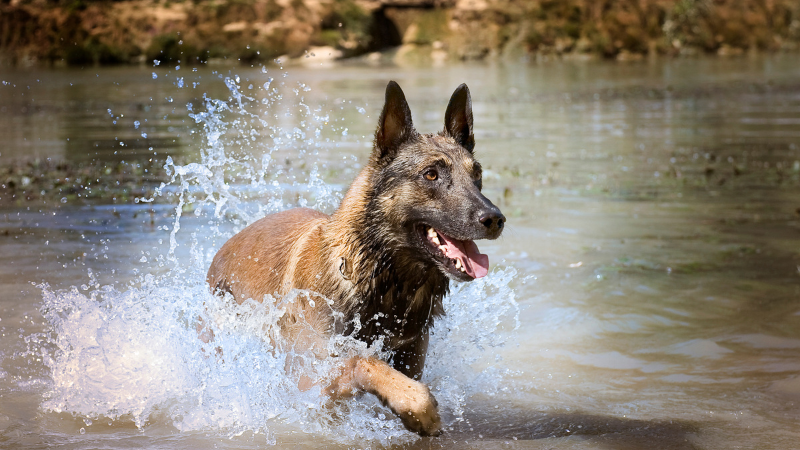
The Belgian Shepherd possesses a complex, intense, and deeply devoted temperament. Known for their world-class intelligence and extreme alertness, these dogs are highly sensitive to their environment and human emotions. They are not casual pets; they are dedicated working companions that require a structured lifestyle to keep their sharp minds balanced and fulfilled.
Core Personality Traits
- Intensely Loyal: Form an unbreakable, deep bond with their primary handler and are fiercely affectionate toward their immediate family.
- Watchful and Vigilant: Possess an innate, unyielding protective instinct, making them exceptional watchdogs that are always aware of their surroundings.
- Aloof with Strangers: Naturally reserved around unfamiliar faces; they assess situations carefully before offering trust.
- Sensitivity: Highly responsive to the tone of voice and emotional energy of their owners, requiring calm and confident leadership.
Behavioral Challenges to Manage
- High Prey and Herding Drive: Due to their heritage, they may naturally attempt to chase or herd moving objects, including cars, bicycles, running children, or other small pets.
- Potential for Reactivity: Without proper mental outlets, their high alertness can transition into hyper-vigilance, anxiety, or destructive behaviors around the house.
- Boredom-Induced Destruction: If left alone for long hours without a job or puzzle, they will invent their own entertainment, which often involves heavy chewing or digging.
Are Belgian Shepherd Dogs Good Family Pets?
Yes, Belgian Shepherd Dogs can make excellent family pets, but only for highly active, experienced households that can commit to rigorous daily training and exercise. They are intensely loyal, protective, and affectionate “velcro dogs” that thrive on human companionship. However, due to their extreme energy levels and intense herding instincts, they are generally not recommended for casual owners, apartment dwellers, or families with very young toddlers
Belgian Shepherd Care in the UAE
Dog Sitting Services in the UAE
Dog Boarding Services in the UAE
Dog Walking Services in the UAE
Exercise Requirements
Belgian Shepherds require a minimum of 1.5 to 2 hours of rigorous physical exercise and structured mental stimulation daily. They are elite, high-performance working dogs that cannot stay healthy or calm with just a casual walk around the block. Without high-intensity outlets, their pent-up energy quickly turns into destructive chewing, pacing, or excessive barking.
Essential Daily Physical Outlets
- High-Intensity Running: Excellent companions for long-distance running, brisk jogging, or bicycling (using a specialized hands-free leash).
- Advanced Fetch Games: Standard fetch is rarely enough; using a ball launcher uphill or incorporating jumping elements helps burn energy efficiently.
- Flirt Pole Training: Utilizing a long lunge whip with a toy attached forces them to sprint, change direction, and practice impulse control.
- Swimming: A low-impact, high-resistance activity that burns maximum energy while protecting their athletic joints.
Training a Belgian Shepherd Dog
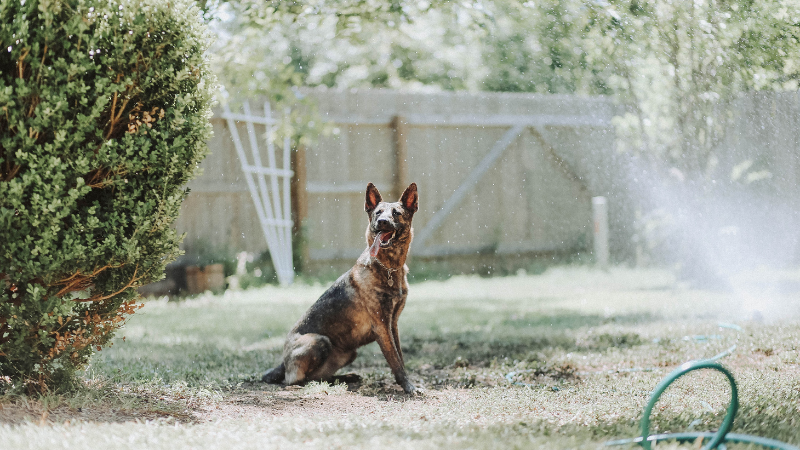
Training a Belgian Shepherd is a continuous, deeply engaging process rather than a basic obedience course. Due to their world-class intelligence, explosive drive, and sensitive nature, they do not bond or learn through passive time; they build trust exclusively through shared work and purposeful tasks.
The primary training pillars required to transform their intense energy into a controlled, well-behaved companion focus on structured techniques.
The Training Timeline
Structuring a dog’s education based on developmental milestones is essential for success. Experts at K9 Mania Dog Training recommend following this step-by-step obedience progression:
Age Range | Primary Focus Areas | Expected Milestones |
8–12 Weeks | Intensive socialization, name recognition, and crate training. | Responds to name immediately, tolerates crate sleep, and accepts basic leash pressure. |
3–6 Months | Core commands (Sit, Down, Stay, Recall) and loose-leash manners. | Demonstrates a reliable emergency recall in low-distraction environments. |
6–12 Months | Duration building, distance work, and public distraction proofing. | Holds a steady stay for 60+ seconds and heels cleanly in public areas. |
1–2 Years | Advanced obedience, obstacle navigation, and drive channeling. | Achieves complete off-leash reliability and builds a sport or protection foundation. |
Best Food for Belgian Shepherd Dogs
Regular grooming and coat care are vital steps to ensure your pet stays comfortable, clean, and physically healthy. Maintaining the coat properly prevents agonizing mats, removes hidden dirt or parasites, and distributes natural protective skin oils.
1. Match Your Tools to the Coat Type
Different fur textures demand tailored brushes to successfully reach past the top layer down to the skin.
Short, Smooth Coats: Breeds like Boxers or Chihuahuas only require weekly care. Use a rubber grooming mitt to loosen dead skin and dirt, then follow up with a soft bristle brush.
Short, Dense Fur / Double Coats: Pets like Retrievers or local domestic short-hairs have thick undercoats. Use a slicker brush or an undercoat rake once a week to clear away packed, dead hair.
Long, Silky, or Curly Coats: Pets like Shih Tzus, Yorkies, or Persian cats need daily care. Use a metal comb and a slicker brush daily to detangle. Focus closely on high-friction zones like the armpits, behind ears, and legs.
2. Follow Proper Brushing Technique
Brush Only When Dry: Never brush wet fur; it can stretch, snap, and damage the protective hair cuticle.
Practice Line Brushing: For long fur, gently push the hair upward with one hand to expose the skin, then brush outward from the roots in small, methodical sections.
Tease Knots Gently: Never use scissors to cut out mats, as pet skin is incredibly thin and easily sliced. Gently work them loose with your fingers, a detangling spray, or a dedicated mat splitter.
3. Bathe Strategically
Bathing Frequency: Bathe dogs every 4 to 6 weeks on average, or when they smell noticeably “doggy”. Cats are fastidious self-cleaners and rarely require full baths unless heavily soiled or medically indicated.
Always Detangle First: Brush out all mats before the bath. Water acts like a glue that tightens up knots, making them incredibly painful to remove later.
Use Pet-Specific Formulas: Never use human shampoo, which strips away the essential oil barrier and triggers severe skin irritation.
Rinse Thoroughly: Leftover soap creates a dull residue and triggers intense itching. Use lukewarm water and rinse down to the skin until it is completely clean.
4. Conduct a Routine Health Sweep
Treat every grooming session as a quick wellness screening. While handling your pet, run your fingers flat against their skin to check for:
Fleas, ticks, or tiny black specks of flea dirt
Hidden wounds, hot spots, or skin flaking
Unexplained lumps or bumps.
Puppy Growth and Development Milestones
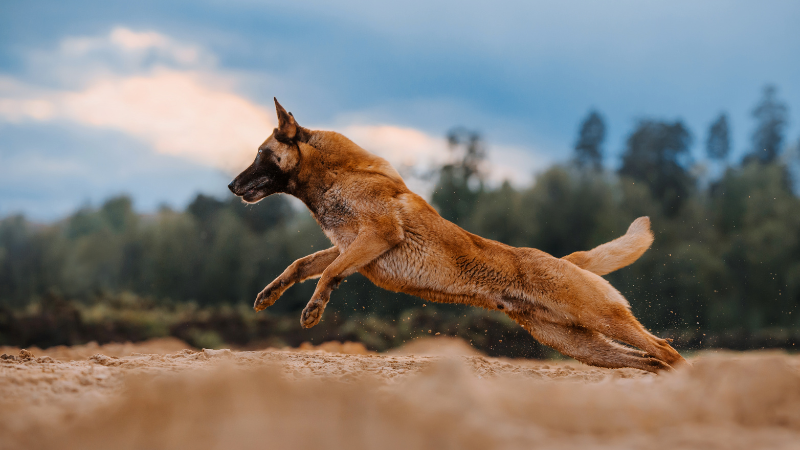
A Belgian Shepherd puppy is functionally a completely different animal from the intense adult they will become. Do not treat them like miniature adults; focus instead on short, controlled milestones:
Weeks 8 to 12 (The Welcome Window): Puppies typically weigh 8 to 12 lbs. They possess rapid learning capabilities but have low physical stamina. Focus purely on building a bond, crate training, housebreaking, and learning their name.
Months 3 to 6 (The Leggy Growth Spurt): Coordination improves rapidly as they enter a lanky, awkward physical phase. By Month 4, they lose their baby teeth and chew aggressively. They begin to develop basic environmental confidence.
Months 6 to 12 (The Drive Emerges): Their distinct, high-intensity working drive and independent testing of rules surface. They approach 90% to 95% of their adult height by month 12, looking sleek and tall.
Months 12 to 24 (Physical Filling Out): Skeletal height plateaus, but the dog continues to broaden, adding dense muscle weight across the chest, shoulders, and hindquarters until full physical maturity hits
Fun Facts About Belgian Shepherd Dogs
The Belgian Shepherd is widely celebrated for its elite cognitive intelligence, jaw-dropping athleticism, and rich history as a premiere military and working breed. Beyond their fierce work ethic, these dogs possess highly unique structural, historical, and behavioral quirks that truly set them apart from standard domestic canines.
One Legendary Breed, Four Distinct Identities
While many people recognize the famous short-haired variety, international clubs view the Belgian Shepherd as a single unified breed split into four distinct coat types. Each variety was originally named after the specific village or royal estate in Belgium where it was selectively bred:
- The Malinois: Features a short, sleek fawn coat with a dramatic black mask. It was developed in the city of Malines.
- The Groenendael: Boasts a long, abundant, flowing, solid-black double coat. It is named after a royal chateau.
- The Tervuren: Sports a long, elegant fawn or grey coat tipped with charcoal. It originates from the village of Tervuren.
- The Laekenois: The rarest variety, recognizable by its coarse, tousled, wirehaired coat. It originated near the royal Castle of Laeken.
Built Like a True “Sports Car”
People frequently mistake Belgian Shepherds (especially the Malinois) for German Shepherds, but their structural differences are profound. While a German Shepherd is built with heavy, long bone density like a utility vehicle, a Belgian Shepherd is constructed like a compact high-performance sports car. Their bodies are perfectly square in silhouette, carrying significantly less weight. This lean, lightweight muscular architecture allows them to easily reach top running speeds of nearly 50 km per hour (31 mph)