

Guard dogs are specialized animals trained to protect properties and families by actively deterring and neutralizing threats. Unlike watchdogs that only bark to alert owners, or highly socialized protection dogs, true guard dogs aggressively defend their defined territory against intruders.
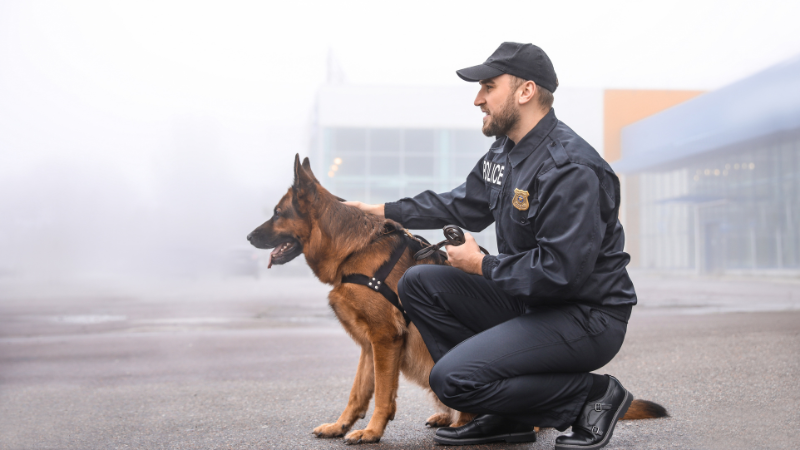
Property owners and families choose these specific breeds for round-the-clock, reliable security that functions as a physical defense mechanism. Their strong protective instincts, unparalleled loyalty, and intimidating physical strength offer invaluable peace of mind, making them a premier choice for asset protection.
Best Guard Dogs for Home and Family Protection
Selecting a family guard dog requires finding a breed that balances an innate protective drive with a safe, stable temperament around household members. The following ten elite breeds are renowned for their distinct defensive capabilities, intelligence, and deep loyalty.
1. German Shepherd
- Key Strength: Unmatched versatility and elite trainability.
- Family Dynamic: Universally favored by law enforcement and families alike, they form intensely close emotional bonds with children. They possess a sharp ability to quickly differentiate everyday household guests from legitimate security threats.
2. Rottweiler
- Key Strength: Powerful territorial presence and imposing physical deterrence.
- Family Dynamic: Highly affectionate and quietly devoted inside their family bubble, Rottweilers function as silent, hyper-observant sentries. They rely on their massive build and unwavering courage to stop intruders.
3. Doberman Pinscher
- Key Strength: Split-second reflexes, high speed, and alertness.
- Family Dynamic: Sleek perimeter defenders that remain in constant communication with their handlers. Dobermans are highly responsive to advanced obedience training, making them perfect for families seeking a proactive, highly agile protector.
4. Cane Corso
- Key Strength: Immense physical power, supreme confidence, and a formidable bite force.
- Family Dynamic: This ancient Italian mastiff breed is intensely loyal and forms a protective, structural shield over its household assets. Due to their natural dominance, they require an experienced, firm leader to guide their guardian instincts.
Belgian Malinois
- Key Strength: Hyper-focused work ethic, high energy, and extreme athletic endurance.
- Family Dynamic: Favored by elite military units, the Malinois requires a highly active lifestyle. They are best suited for energetic households that can fulfill their daily requirements for rigorous mental and physical training.
Bullmastiff
- Key Strength: Silent tracking and heavy physical restraint tactics.
- Family Dynamic: Known as “gentle giants,” they rarely bark and instead use their massive body weight to pin down intruders without savaging them. They transition seamlessly into a calm, docile couch potato when resting inside with children.
Giant Schnauzer
- Key Strength: Fierce territorial drive wrapped in a low-dander, hypoallergenic coat.
- Family Dynamic: Extremely spirited and energetic working dogs that demand consistent mental stimulation. They are deeply suspicious of unfamiliar faces, requiring extensive, early socialization to ensure their boundary defense remains controlled.
Akita Guard Dog
- Key Strength: Inherent, independent protective instincts and quiet vigilance.
- Family Dynamic: Originating as historic family protectors in Japan, Akitas are quiet sentries that rarely bark unless a true threat is imminent. They are intensely devoted to their immediate circle but remain profoundly aloof with strangers.
Boxer
- Key Strength: High-alert sensory awareness blended with an exceptionally playful nature.
- Family Dynamic: Boxers use their high energy and expressive alertness to flag suspicious perimeter behavior. Their legendary patience and deep love for kids make them one of the safest heavy-bodied guard options for young families.
Great Pyrenees
- Key Strength: Independent livestock guardian instincts and large-territory patrol habits.
- Family Dynamic: Exceptionally patient, gentle, and slow to attack unless provoked. The Great Pyrenees guards by pacing property borders, making them ideal for large estates or rural households looking for an independent, even-tempered protector.
Trusted Guard Dog Care Services Across the UAE
Guard dogs need reliable, experienced care when you’re away. Pawland is a top-rated, award-winning pet care company serving Dubai, Abu Dhabi, Sharjah, Ajman, Ras Al Khaimah, and across the UAE. With verified sitters, personalized care, 24/7 support, dog sitting, boarding, and walking services, we help keep your guard dog safe, active, and stress-free.
Dog Sitting Services in the UAE
Need trusted dog sitting services in the UAE? Pawland provides personalized in-home care, drop-in visits, and live-in dog sitters across Dubai, Abu Dhabi, Sharjah, and surrounding areas. Your guard dog receives one-on-one attention, routine care, exercise, and regular updates while you’re away.
Dog Boarding Services in the UAE
Looking for secure dog boarding services in the UAE? Pawland offers safe, home-style boarding as a comfortable alternative to kennels. Available across Dubai, Abu Dhabi, Sharjah, Ajman, and beyond, our experienced sitters provide supervised care, feeding, playtime, and personalized attention.
Dog Walking Services in the UAE
Keep your guard dog healthy and disciplined with professional dog walking services in the UAE from Pawland. Serving Dubai, Abu Dhabi, Sharjah, and other UAE locations, our trusted walkers provide structured walks, exercise, mental stimulation, and tailored care to match your dog’s needs.
How Guard Dog Training Works
Guard dog training works by channeling a canine’s natural instincts into highly disciplined, predictable behaviors. Professional training ensures a guardian never acts out of fear or random aggression, but rather operates strictly on handler commands.
The process moves through three structural phases:
- Phase 1: Absolute Control & Neutrality: The dog masters instant, off-leash obedience. Trainers expose the puppy to heavy crowds, noises, and strangers so it learns to ignore peaceful daily activities and remain calm.
- Phase 2: Regulated Bite Work: Trainers use specialized sleeves and bite suits to build a firm, confident grip. Crucially, the dog is taught the “Out” (release) command to immediately drop its bite and stand down on cue.
- Phase 3: Threat Discrimination: The dog learns to distinguish real-world threats (like an active intruder or physical assault) from normal human interactions (like a delivery worker or friendly neighbor)