

Dealing with an aggressive or rude cat can be incredibly frustrating and heartbreaking. When a cat shouts, scratches, or avoids interaction, it is usually a sign of stress, not malice.
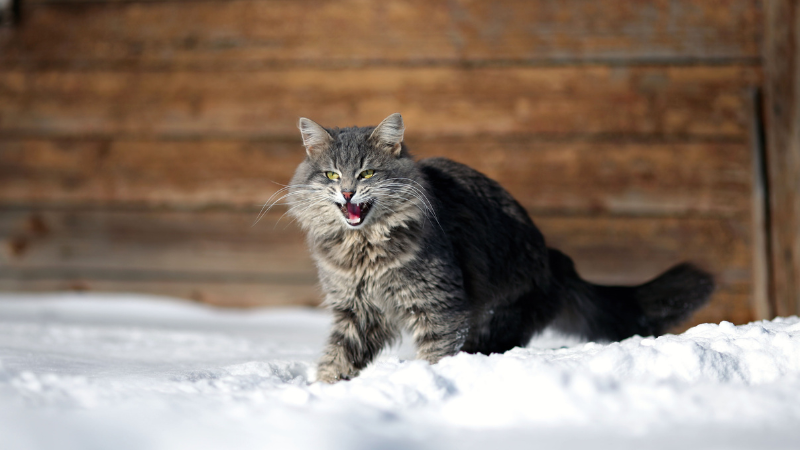
If you are struggling with a sudden shift in your cat’s behavior, you are not alone. By understanding the root causes of feline aggression, you can use proven, gentle techniques to regain your cat’s trust and help them relax.
Why is Your Cat Aggressive?
Cats are creatures of habit. They are highly sensitive to changes in their environment. Most sudden aggressive behavior stems from two major factors:
- Location Changes: Moving a cat to a new house or changing their environment causes severe anxiety.
- Rehoming Trauma: Selling an adult cat or shifting them between owners ruins their sense of security.
Step 1: Give Them Time and Respect Their Comfort Zone
The single most important remedy for an aggressive cat is time. You cannot force a stressed cat to love you overnight.
You must respect their personal boundaries. Never disturb, touch, or pick up your cat when they are:
- Sleeping or resting
- Eating their meals
- Playing with their toys
Many owners make the mistake of irritating their cats during these times, which triggers an aggressive defensive reaction.
Step 2: Avoid Sensitive Touch Spots
When attempting to pet a stressed cat, avoid sensitive areas that trigger an immediate defensive reflex.
- Where NOT to touch: The belly, the tail, and the lower back. Touching these areas highly irritates an already anxious cat.
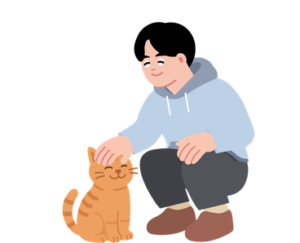
- Where TO touch: Stick strictly to the head and under the neck. Gently scratching these spots releases calming hormones and helps the cat form a positive bond with you.
Step 3: Use Hand-Feeding and High-Value Treats
Food is the fastest way to a cat’s heart and trust. To show your cat that you are not a threat, start hand-feeding them high-value treats.
Creamy treats, liquid snacks, and lickable jellies work best. When your cat eats directly from your hand, they learn to associate your presence with safety and pleasure. Over time, they will realize they are out of danger and will start lowering their guard.
Step 4: Utilize Calming Aids (Catnip and Sprays)
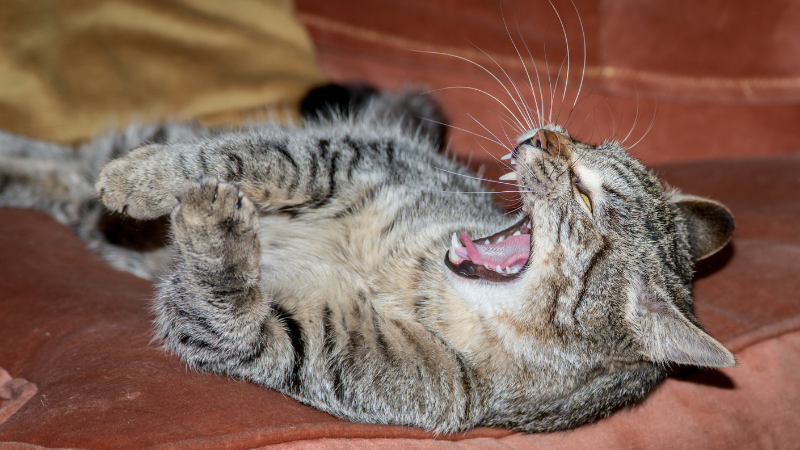
If environmental changes are not enough, you can introduce natural calming aids to take the edge off their anxiety.
- Catnip: Available as loose powder or concentrated sprays. While it does not affect every single feline, about 50% to 70% of cats react positively to it. It can significantly relax an aggressive or depressed cat.
- Anxiety Medications: In many Western countries, vets prescribe specific stress-relief medications for cats. While pet mental health is not always taken seriously in places like Pakistan, it is worth consulting a professional vet if your cat’s stress is extreme.
Step 5: Control Social Interactions and Stimulation
While your cat is recovering, you need to manage what and who they see.
- Avoid Other Animals: Do not introduce new cats into the house during this recovery phase. Keep them away from windows where they might see stray cats, and keep them out of loud crowds.
- Provide Positive Stimulation: While crowds are bad, fresh air can be great. Take your cat on controlled outdoor outings where they can safely look at birds. This triggers healthy excitement and distracts them from their anxiety.
Every single cat has a unique personality. A cat that is usually an angel might become aggressive during bath time or grooming. The key is to observe your cat, apply these steps consistently, and never match their aggression with anger. With patience, hand-feeding, and respected boundaries, even the most aggressive cat can fully recover and become a loving companion once again.
Getting Professional Help for Your Stressed Cat
- Cat sitting services: A trusted pet sitter comes directly to your house. Your cat stays in their own familiar environment, follows their normal routine, and faces zero moving stress.
- Cat boarding services: If your cat cannot stay home alone, they can stay at a vetted sitter’s private home. This provides a quiet, cozy, cage-free environment with one-on-one attention instead of a loud shelter.