

Dogs love routine, and daily walks are one of the most important parts of that routine. While many people think walks are only necessary for bathroom breaks or burning extra energy, they actually play a much bigger role in a dog’s overall well-being. A simple walk provides physical exercise, mental stimulation, opportunities for socialization, and a chance to explore the world through sights, sounds, and scents.
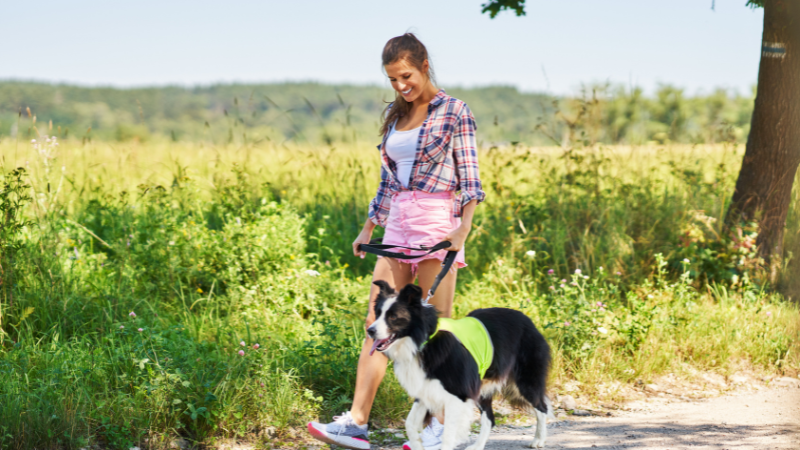
Unfortunately, busy work schedules, travel, extreme weather, or family commitments can make it difficult to walk a dog consistently. Missing a walk occasionally isn’t usually a problem. However, when dogs regularly go without enough exercise, the effects can quickly become noticeable. They may start showing unwanted behaviors, become anxious, gain weight, or lose interest in activities they once enjoyed.
Why Daily Walks Matter More Than You Think
Many pet owners associate walking with physical exercise, but that’s only part of the story. Every walk gives your dog an opportunity to experience new smells, meet different people, and explore changing environments. Since dogs rely heavily on their sense of smell, even walking the same route each day can provide fresh mental stimulation.
In addition to improving physical health, daily walks help reduce stress, build confidence, and create a predictable routine. Dogs thrive on consistency, and regular exercise gives them an outlet for natural behaviors that can’t be expressed indoors. As a result, they are more likely to stay calm, relaxed, and well-behaved throughout the day.
Skipping walks occasionally won’t harm most dogs. However, missing them regularly can gradually affect both their physical health and emotional well-being.
Excess Energy Often Leads to Destructive Behavior
One of the first signs that a dog isn’t getting enough daily walks is excess energy. Dogs are naturally active animals, and they need a healthy outlet to release that energy. Without regular exercise, that energy doesn’t disappear, it usually turns into behaviors that owners find frustrating.
For example, your dog may start chewing furniture, scratching doors, digging in the garden, tearing cushions, or stealing household items. These behaviors aren’t always signs of poor training. In many cases, they’re simply the result of boredom and a lack of physical activity.
Regular walks help burn off excess energy while also providing mental stimulation. After a satisfying walk, most dogs return home feeling calmer and more relaxed, making them less likely to engage in destructive habits.
Weight Gain Can Become a Serious Health Problem
Just like people, dogs need regular exercise to maintain a healthy weight. When they consume more calories than they burn, those extra calories are stored as body fat. Over time, even small weight gains can develop into obesity, especially for dogs that spend most of their day indoors.
Excess weight places additional pressure on joints, muscles, and internal organs. As a result, overweight dogs are more likely to develop arthritis, diabetes, heart disease, breathing difficulties, and reduced mobility. They may also become less interested in playing, which creates a cycle of inactivity and further weight gain.
Daily walks help prevent these problems by keeping your dog’s metabolism active and supporting healthy muscle tone. Combined with a balanced diet, regular exercise is one of the simplest ways to improve your dog’s long-term health.
Lack of Exercise Can Increase Anxiety and Stress
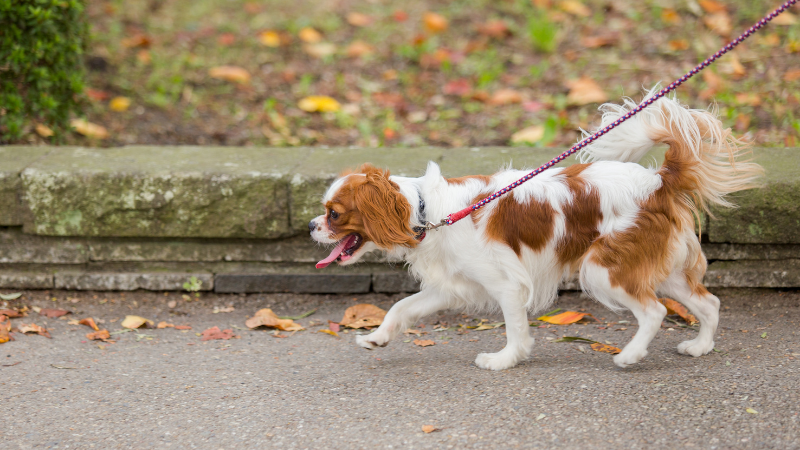
Physical activity doesn’t just benefit a dog’s body, it also supports emotional well-being. Dogs are curious animals that enjoy exploring new environments, meeting people, and discovering unfamiliar scents. These experiences provide valuable mental enrichment that helps reduce stress and prevent boredom.
When dogs spend long periods indoors without enough stimulation, they may become restless or anxious. Some dogs constantly pace around the house, while others whine, bark excessively, or struggle to settle down even when they’re tired. Over time, this chronic frustration can affect their overall mood and behavior.
A daily walk gives dogs an opportunity to release built-up tension naturally. Even a moderate walk around the neighborhood can help them feel more relaxed and emotionally balanced, making it easier for them to rest once they return home.
Poor Socialization Can Affect Your Dog’s Confidence
Daily walks introduce dogs to new experiences that help them become confident and well-adjusted. During a walk, they may meet other dogs, see children playing, hear traffic, or encounter different sights and sounds. These everyday interactions teach dogs how to respond calmly to unfamiliar situations.
Without regular walks, dogs miss many of these learning opportunities. As a result, they may become fearful of strangers, nervous around other animals, or overly protective of their home. Some dogs may even react aggressively simply because they aren’t used to new environments.
Consistent walks allow your dog to experience the outside world at a comfortable pace. Over time, these positive experiences build confidence and improve social behavior, making everyday outings much more enjoyable.
Muscles and Joints Become Less Active
Exercise plays an important role in keeping your dog’s muscles and joints healthy. Walking helps strengthen muscles, improves flexibility, and supports healthy circulation throughout the body. It also keeps joints moving, which is especially important as dogs grow older.
When dogs spend most of their time indoors, their muscles gradually become weaker. They may become stiff after resting, tire more quickly during playtime, or struggle with activities they once enjoyed. Senior dogs are particularly vulnerable because inactivity can speed up age-related mobility problems.
Even gentle daily walks can make a noticeable difference. Regular movement helps maintain strength, supports joint health, and allows dogs to stay active for many years.
Hyperactivity at Home Often Has a Simple Cause
Many owners describe their dog as “too hyper,” but the real issue is often a lack of exercise. Dogs that don’t get enough daily walks have stored energy with nowhere to go. Instead of relaxing, they may run around the house, jump on visitors, or constantly demand attention.
This behavior can become frustrating, especially when owners mistake it for disobedience. In reality, many energetic dogs simply need a consistent outlet for their physical and mental energy.
A daily walking routine helps create balance. After exercising, most dogs are calmer, more focused, and better able to relax at home. That’s one reason why regular walks are often recommended before working from home or leaving a dog alone for several hours.
Behavioral Problems May Become More Common
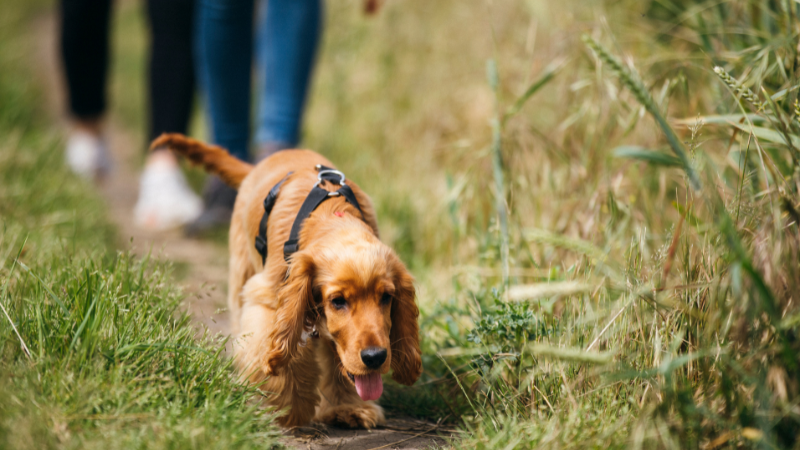
A lack of daily walks doesn’t just affect your dog’s energy levels. Over time, it can also contribute to more serious behavioral problems. Dogs that feel bored or frustrated often look for ways to entertain themselves, and those behaviors aren’t always desirable.
For example, some dogs develop excessive barking, while others begin chewing household items or digging in the yard. In more severe cases, a lack of physical and mental stimulation may contribute to separation anxiety, compulsive licking, or destructive habits whenever they’re left alone.
Although exercise isn’t a cure for every behavioral issue, it is an important part of prevention. A dog that receives enough activity each day is generally happier, calmer, and more responsive to training.
Mental Stimulation is Just as Important as Physical Exercise
Many people think a walk is only about physical activity, but dogs experience the world very differently than humans do. Their powerful sense of smell allows them to gather information from every tree, sidewalk, and patch of grass they explore.
This process of sniffing and investigating provides valuable mental stimulation. In fact, a slower “sniff walk” can sometimes be just as tiring as a faster walk because it keeps a dog’s brain actively engaged.
Without opportunities to explore, dogs may become bored even if they spend time playing indoors. Regular walks satisfy their natural curiosity and provide the enrichment they need to stay mentally healthy.
How Much Exercise Does Your Dog Really Need?
There isn’t a single exercise routine that works for every dog. The right amount of daily activity depends on factors such as breed, age, health, and energy level.
Highly active breeds like Border Collies, Australian Shepherds, and Labrador Retrievers usually require much longer walks and additional playtime. Smaller companion breeds may be satisfied with shorter walks, while puppies often benefit from several short outings throughout the day instead of one long session.
Senior dogs also need regular exercise, although their walks should be shorter and more gentle. Maintaining a consistent routine helps preserve mobility while preventing stiffness and weight gain.
What If You Don’t Have Time to Walk Your Dog Every Day?
Modern life can be busy, and many pet owners struggle to maintain a consistent walking schedule. Long work hours, business trips, family responsibilities, or hot weather can all make daily walks more challenging.
If your schedule doesn’t always allow enough time, asking a trusted family member or hiring a professional dog walker can help keep your dog’s routine consistent. A reliable dog walking service ensures your pet receives regular exercise, mental stimulation, and individual attention, even when you’re away.
This not only benefits your dog’s physical health but also gives you peace of mind, knowing they’re staying active instead of spending the entire day indoors.