

Does your dog get overly excited around people? Does your dog jump up when they see someone? If so, it is worth looking at more than just the jumping itself. Your dog’s daily routine, exercise and level of mental stimulation can all affect how they behave.
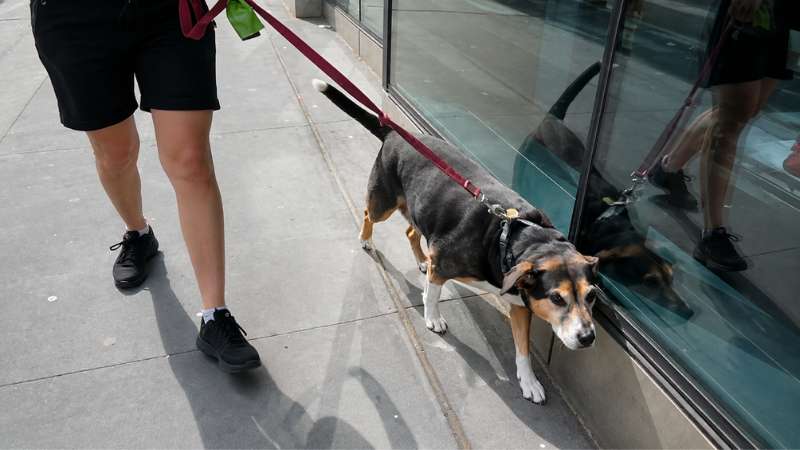
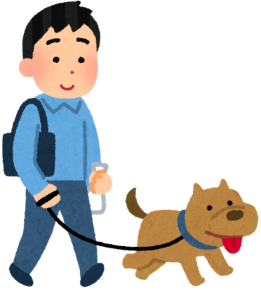
One of the simplest places to start is with a good-quality daily walk. Walking your dog is not just about making them physically tired. It gives them the chance to explore, use their senses, release excess energy and experience different environments. When a dog is calmer and less overwhelmed by pent-up energy, they can also find it easier to focus and listen during training.
Why Walking Can Help With Jumping
Dogs can find it difficult to concentrate when they have lots of pent-up energy and excitement. If your dog has gone several days without a proper walk, there may be so much energy and sensory excitement building up that listening becomes much harder.
This is especially important when you are trying to improve unwanted behaviours. Training requires your dog to pay attention to you, but a dog that is overwhelmed with energy may struggle to do that. A good walk gives them an opportunity to release some of that energy before you expect them to concentrate.
Walking does not automatically stop a dog from jumping. However, it can help create a calmer state where training and behaviour management become easier. A dog that has had a good physical and mental outlet is often more relaxed and more inclined to listen.
A Good Walk Is More Than Exercise
It is easy to think of walking as a simple way to tire your dog out. Physical exercise is certainly important, but it is only one part of the benefit.
During a good walk, your dog is using their muscles, processing new information and experiencing a wide range of smells, sounds and sights. They are also making decisions about what they see and smell around them. This gives their brain plenty of work to do.
The psychological benefits of a walk can be just as important as the physical benefits. A dog can become tired not only from running and moving, but also from using their senses and processing their environment.
That is why a good walk can leave your dog calmer and more relaxed when they return home.
Let Your Dog Use Their Nose
A dog’s sense of smell is one of the most important ways they understand the world. While we rely heavily on our eyes, dogs gather a huge amount of information through their noses.
This is why you should not always rush your dog through a walk. Give them opportunities to stop, sniff and investigate safe areas. A bush, patch of grass or another interesting smell may look completely unimportant to you, but it can provide valuable information and mental stimulation for your dog.
If your dog spends several minutes sniffing one spot, it may be tempting to pull them away immediately. When it is safe to do so, give them some time to investigate. For a dog, sniffing is almost like reading the local news or catching up on the local gossip.
Try a Scent Walk
A scent walk is a simple way to improve the quality of your dog’s walk. Instead of focusing only on distance or speed, slow things down and allow your dog to explore their surroundings through smell.
Let your dog sniff the grass, bushes and other safe areas. If they are walking on a lead and find an interesting smell, avoid suddenly yanking them away. When you need them to move on, use your voice and positive encouragement to guide them forward.
The purpose of a scent walk is not to cover as much ground as possible. It is to give your dog time to use their most important sense and process the environment around them. This type of sensory stimulation can provide valuable mental exercise alongside the physical benefits of walking.
Give Your Dog More Variety
Dogs are very good at learning routines. If you take exactly the same route every day, your dog will eventually become familiar with the sights, smells and sounds along that route.
There is nothing wrong with having a routine, and a regular walk is always better than no walk. However, changing things when possible can provide your dog with much more stimulation.
Try different routes, locations and types of walks. New environments can introduce your dog to different people, dogs, smells, sounds and sights. This variety can help keep their brain active and give them experience dealing with changes.
If your dog is particularly nervous or anxious, introduce new environments gradually. A sudden change or too much stimulation can be overwhelming, so the goal should be to help your dog adapt at a comfortable pace.
Mental Stimulation Can Make a Big Difference
Physical exercise is only one part of keeping a dog fulfilled. Mental stimulation can be equally important, especially when you are dealing with behaviour challenges.
During a walk, your dog is constantly processing information. They are using their nose, watching their surroundings, listening to different sounds and responding to what is happening around them. All of this requires mental effort.
This is why you can sometimes tire a dog through mental stimulation just as effectively as through physical activity. A good walk combines both. Your dog gets to move their body while also using their brain and senses.
When they return home, this combination can help them settle, relax and feel less driven by excess energy.
Why Indoor Activities Are Not Always Enough
Toys and activities inside the home can certainly help provide stimulation. However, the home environment usually offers much less variety than the outside world.
Dogs experience the same rooms, smells and surroundings every day. You can provide games and toys, but they cannot completely replace the natural sensory experiences available outside.
Dogs also have instinctive needs that need appropriate outlets. These include running, chasing, sniffing, exploring and marking. Some of these behaviours can be encouraged indoors, but they are not always the same as experiencing them naturally outside.
When these needs are not adequately met, unwanted behaviours can sometimes appear. Your dog may find their own ways to release energy, and those behaviours may not always be appropriate or safe.
Breed Instincts Matter Too
Different breeds have different natural drives, and understanding these instincts can help explain certain behaviours.
Border Collies, for example, are a herding breed. If they do not receive enough physical and mental stimulation, they can become destructive or start displaying herding behaviours around people. A child moving around the home may even become the focus of those natural herding instincts.
Scent hounds provide another example. Their ability to follow smells is extremely strong, so they may become interested in digging or searching when they do not have suitable opportunities to use their noses.
Sighthounds, such as Whippets, have a strong desire to run. If they have too much unused energy, they may try to burn it off by running around in ways that are not always safe.
These behaviours are not simply about a dog being difficult. They can be connected to natural instincts that need appropriate outlets.
Walking Can Reduce Unwanted Behaviour
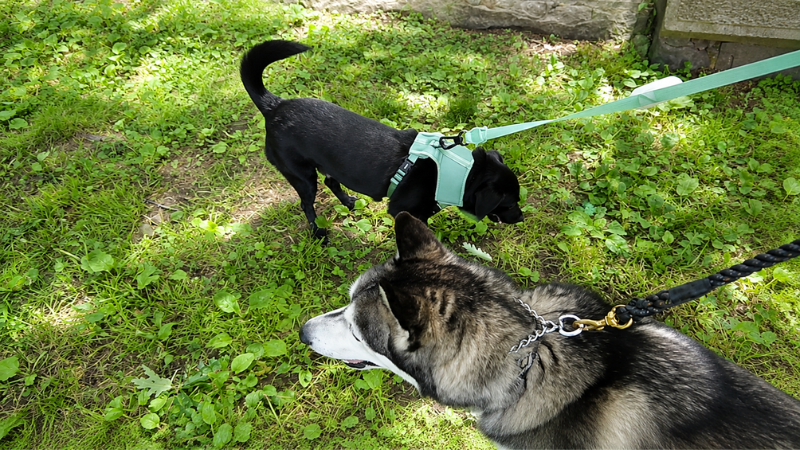
A regular walking routine can help reduce many of the problems associated with boredom, excess energy and a lack of stimulation.
When your dog has opportunities to run, sniff, explore and use their natural abilities in a suitable environment, they have less reason to create their own outlets. A dog that is allowed to use these instincts appropriately can be easier to manage at home.
Without those opportunities, excess energy and frustration can sometimes appear as behaviours that are difficult or even dangerous. A dog running around uncontrollably, herding people or becoming destructive may simply be looking for a way to use the energy and instincts they have.
Socialisation is Another Major Benefit
Walking also provides valuable opportunities for socialisation. Your dog can experience different people, dogs, smells, sounds and environments while they are out in the world.
Socialisation at home can be helpful, but it can also be very controlled. If you know your dog is uncomfortable around certain people or animals, you may naturally avoid those situations at home. This means your dog may become comfortable in that specific environment without necessarily becoming comfortable everywhere.
Dogs can be very contextual. A dog that behaves well in one room or one familiar location may not automatically behave the same way somewhere completely different.
This is why regular exposure to different environments can be so useful.
Let Your Dog Experience Different Places
A walk does not always have to take place in a quiet field or large green space. Towns and cities can also provide valuable stimulation. Different people, traffic, sounds, smells and surroundings give your dog new experiences. These changes can help them learn how to cope with different environments and become more adaptable.
However, this should be handled carefully with nervous or fearful dogs. Simply taking an anxious dog into a very busy environment can create more problems than it solves. Instead, introduce new environments gradually and give your dog time to become comfortable. The goal is to provide positive experiences rather than overwhelm them.
Swimming Can Add Physical Exercise
Swimming can also be a useful physical activity for some dogs. It can provide exercise while supporting the body, which can make it useful for some older dogs and dogs that benefit from lower-impact activity.
However, not every dog is naturally comfortable or capable of swimming. Brachycephalic breeds, such as Bulldogs and Pugs, need particular care because their breathing can make swimming more difficult.
If your dog swims, keep a close eye on them and avoid excessive exertion. Swimming can be a useful addition to a varied exercise routine, but it does not replace the sensory and social benefits of a good walk.
A Calm Dog is Easier to Train
Meeting your dog’s physical and mental needs can help them become calmer and more relaxed. This is particularly useful when you are working on unwanted behaviours such as jumping.
A dog that is overwhelmed by excitement and excess energy may struggle to concentrate on what you are asking. After a good walk, your dog may be in a much better state to focus and engage with training.
This is why it is useful to look beyond the behaviour itself. Instead of only asking, “How do I stop my dog from jumping?”, also ask whether your dog is getting enough exercise, mental stimulation, sensory enrichment and socialisation. These factors can all influence how your dog behaves.
What Should You Focus On?
If your dog jumps when excited, start by looking at the quality of their daily routine. Are they getting regular physical exercise? Do they have enough opportunities to sniff and explore? Are they receiving enough mental stimulation?
It is also worth considering whether your dog experiences different people, dogs and environments. If they are nervous or fearful, are those new experiences being introduced gradually?
The answers can help you identify areas where your dog’s routine may need more variety or stimulation.
The Simple Takeaway
There is no single quick fix that will work for every dog that jumps. However, improving your dog’s daily routine can be a useful starting point.
Give your dog regular opportunities to walk, explore and use their senses. Let them sniff instead of rushing every walk. Introduce different routes and environments when appropriate, and give them safe opportunities to experience new people, dogs and surroundings.
A good walk helps your dog use their body, brain and senses. It can release excess energy, reduce tension and provide important stimulation. When your dog is calmer, more relaxed and better able to concentrate, training can become much easier.
The goal is not simply to make your dog tired. The goal is to give your dog a quality walk that exercises their body, challenges their brain and allows them to behave like a dog.