



Bringing a new kitten home is exciting, but the first few weeks are also an important time for establishing healthy habits. A kitten needs more than food and a comfortable bed. Their environment, nutrition, parasite prevention, grooming, litter habits, vaccinations, and identification all play a role in helping them grow into a healthy and confident adult cat.
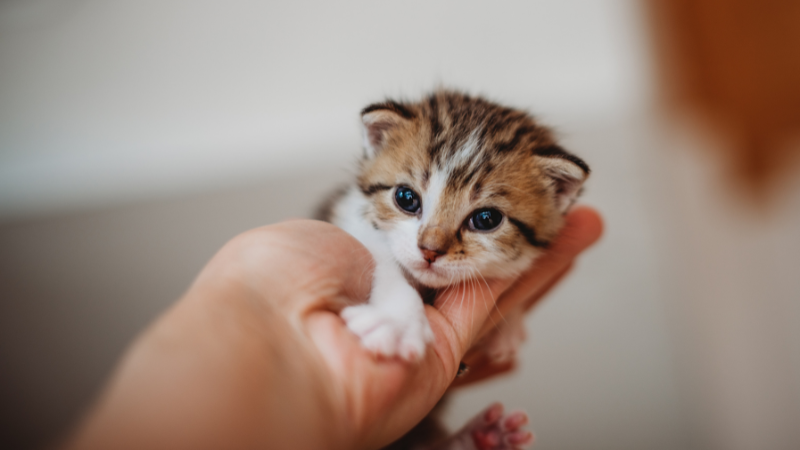
If you are welcoming a kitten into your home for the first time, these 10 essential kitten care tips can help you prepare for their needs from day one.
1. Make Your Home Kitten-Friendly
A new home can feel overwhelming for a young kitten. They are suddenly surrounded by unfamiliar smells, sounds, people, and spaces, so giving them access to the entire house immediately may create unnecessary stress.
Instead, start with a smaller, quiet area where your kitten can gradually become comfortable. Keep their food, water, litter tray, sleeping area, and toys nearby so they do not have to search for essential resources.
Creating a kitten-friendly environment also means providing places where your cat can hide, climb, rest, scratch, and play. Scratching posts, interactive toys, cozy hiding spaces, and elevated resting areas can provide both physical activity and mental stimulation.
As your kitten becomes more confident, you can gradually introduce them to other areas of the home.
2. Choose Complete and Balanced Kitten Food
Nutrition is one of the most important parts of kitten care because young cats are growing rapidly. Kittens need food formulated specifically for their developmental stage rather than relying on adult cat food alone.
A complete and balanced kitten diet should provide the nutrients needed for healthy growth. Offering different appropriate meat proteins can also provide variety in the diet, although any dietary changes should be introduced gradually.
Fresh water should always be available. Place water somewhere your kitten can easily reach it and away from anything that could contaminate it.
Some cats naturally prefer moving water, so a properly maintained cat water fountain may encourage them to drink more. If you are unsure which food is appropriate for your kitten, ask your veterinarian for guidance based on their age, size, and individual needs.
3. Stay Consistent With Parasite Prevention
Kittens can be vulnerable to intestinal parasites, which is why parasite prevention should be part of their early healthcare routine.
The appropriate worming schedule can vary depending on your kitten’s age, location, health status, and the product being used. The source guidance recommends frequent treatment during the first few months, followed by regular lifelong prevention.
However, do not choose or administer a worming product based only on a general online schedule. Always follow your veterinarian’s recommendation and the instructions for the specific product. Regular veterinary care can help identify parasites early and ensure your kitten receives the right treatment at the right time.
4. Ask Your Vet About Heartworm Prevention
Heartworm prevention is another consideration for kitten owners. Some monthly parasite-control products for cats also provide protection against heartworm.
Whether your kitten needs heartworm prevention depends on factors such as where you live and your cat’s lifestyle. Even indoor cats may require preventive care depending on local risks. Talk to your veterinarian about the parasite risks in your area and which preventive product is suitable for your kitten.
5. Consider Flea and Tick Protection
Fleas can affect cats regardless of whether they spend a lot of time outdoors. Outdoor kittens may also face additional exposure to ticks and other parasites.
Your kitten’s lifestyle should be considered when choosing a flea and tick prevention plan. An indoor-only kitten may have different needs from a cat that regularly goes outside.
Never use a flea or tick treatment intended for another animal unless your veterinarian specifically confirms that it is safe for your cat. Some products designed for dogs can be dangerous to cats. A vet can recommend an appropriate preventive treatment based on your kitten’s age, weight, lifestyle, and local parasite risks.
6. Start Grooming Early
Grooming is not just about keeping your kitten looking clean. Starting gentle grooming early can help your kitten become comfortable with handling as they grow.
Short, calm grooming sessions can help you get your kitten used to being brushed, touched around the paws, and handled safely. Regular brushing can also help reduce loose hair and may help minimize hairballs, particularly in cats with longer coats.
Keep grooming sessions positive and avoid forcing your kitten if they become frightened or overwhelmed. Rewarding calm behavior can make grooming a more enjoyable experience over time. Early grooming habits can also make future nail care, veterinary examinations, and general handling easier.
7. Make Litter Training Easy

Most kittens have a natural preference for cleanliness, which can make litter training relatively straightforward when their environment is set up properly.
Choose a quiet, accessible location for the litter tray and keep it clean. A kitten should be able to reach the tray easily without having to cross a busy or frightening part of the house.
One useful guideline is to provide one litter tray per cat, plus one extra.
For example:
- One cat = two litter trays
- Two cats = three litter trays
- Three cats = four litter trays
This gives cats more options and can help reduce competition or litter-related problems in multi-cat households.
Clean the trays regularly and pay attention to any sudden change in your kitten’s toilet habits. Changes such as repeated accidents, straining, or avoiding the litter tray can sometimes indicate an underlying health issue and should be discussed with a veterinarian.
8. Make Sure Your Kitten is Microchipped
Microchipping provides an important form of permanent identification. Before adopting a kitten, ask whether they have already been microchipped and obtain the relevant identification details.
If your kitten is already microchipped, make sure your contact information is correctly registered and updated. A microchip is only useful for reunification if the associated registration details are accurate.
If you move, change your phone number, or update your contact information, remember to update the microchip registry as well. Local identification and registration requirements can vary, so check the regulations that apply in your area.
9. Keep Vaccinations Up to Date
Vaccinations are an essential part of preventative healthcare for kittens. Young cats typically receive a series of vaccinations during their early development rather than relying on a single injection.
The source guidance describes a common kitten vaccination schedule around:
- 6–8 weeks
- 12 weeks
- 16 weeks
The exact schedule can vary depending on the vaccine, your kitten’s health, previous vaccination history, and local veterinary recommendations.
Your veterinarian can create an appropriate vaccination schedule and let you know when your kitten is ready for different activities and environments. Keep your kitten’s vaccination records safe and follow up on every recommended dose.
10. Discuss Desexing With Your Veterinarian
Desexing can provide several benefits for cats and is an important decision to discuss with your veterinarian.
It can help prevent unwanted litters and may reduce certain behaviors associated with mating, including some forms of fighting and roaming. It can also provide health benefits depending on the individual cat and timing of the procedure.
Around six months is often discussed as a general timeframe for desexing, but there is no single age that is ideal for every kitten. Your veterinarian can recommend the most appropriate timing based on your kitten’s breed, health, development, and individual circumstances.
Creating a Healthy Start for Your New Kitten
Caring for a kitten is about creating the right foundation rather than simply reacting when problems appear. A safe environment, appropriate nutrition, clean litter facilities, regular grooming, parasite prevention, identification, vaccinations, and veterinary care can all contribute to a healthier start.
Just as importantly, give your kitten time to adjust. Some kittens become confident almost immediately, while others need several days or weeks to feel comfortable in a new environment. Gentle handling, predictable routines, play, and positive interaction can help build trust.
If you are unsure about your kitten’s food, vaccination schedule, parasite prevention, grooming needs, or desexing, speak with a qualified veterinarian. Individual recommendations are always more reliable than applying a general schedule to every kitten. With patience and consistent care, those early weeks can become the foundation for a happy, healthy relationship with your new cat.