


The Vizsla is a medium-sized, sleek, and elegant Hungarian gundog built for intense physical activity and deep human companionship. Widely celebrated as the “Velcro dog,” this remarkably affectionate breed forms an exceptionally tight bond with its owners and constantly craves close physical contact. Known for their distinctive golden-rust coats, athletic endurance, and versatile working capabilities, Vizslas excel as both elite hunting partners and deeply devoted family pets.
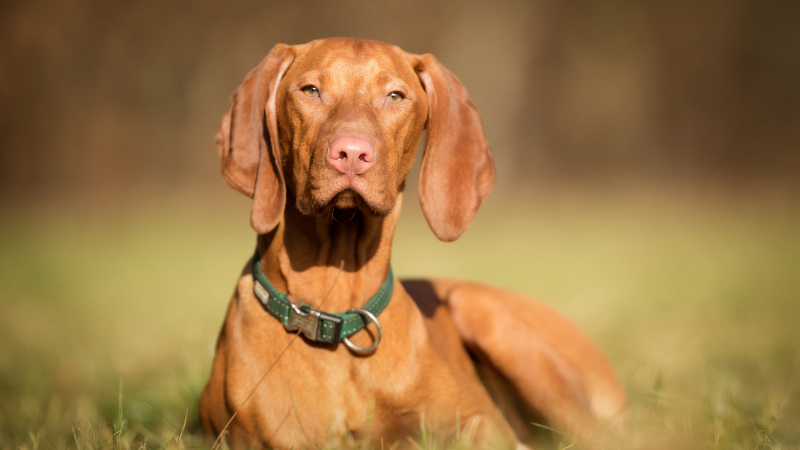
The Vizsla is an ancient Hungarian hunting dog breed, dating back to at least the 8th-10th century, originating with the nomadic Magyar tribes who required swift, versatile companions for hunting. Known for their golden-rust coat and loyal personality, this “Gift of Kings” was preserved by aristocratic landowners for centuries, narrowly surviving near-extinction twice following the World Wars.
Vizsla Appearance and Physical Characteristics
The Vizsla is a medium-sized, short-haired hunting dog known for its aristocratic bearing, clean-cut build, and distinctive golden-rust color. They are built for endurance, speed, and agility in the field.
Coat and Color
- Distinctive Shade: The coat must be a solid golden-rust color, ranging from copper to dark gold.
- Texture: The coat is short, dense, smooth, and close-lying without an undercoat.
- White Markings: Small white spots on the chest or toes are permissible, but white anywhere else is penalized.
- Skin: The skin is tight-fitting with no loose wrinkles.
Size and Proportions
- Male Height: Typically stands between 58 and 64 cm (22 to 24 inches) at the withers.
- Female Height: Typically stands between 53 and 60 cm (21 to 23 inches) at the withers.
- Weight: Males weigh 20 to 29 kg (45 to 65 lbs); females weigh 18 to 25 kg (40 to 55 lbs).
- Build: Slightly longer than tall, presenting a balanced, square, and athletic silhouette.
Head and Facial Features
- Self-Colored Nose: The nose is always flesh-colored, blending seamlessly with the coat color.
- Eyes: Medium-sized, almond-shaped eyes that match or are slightly darker than the coat color.
- Ears: Thin, silky, and long ears with rounded tips that hang close to the cheeks.
- Muzzle: Square and deep, tapering gradually from the stop to the nose.
Body and Extremities
- Topline: The back is short, straight, and firm, sloping slightly towards the croup.
- Chest: Deep and moderately broad, reaching down to the elbows.
- Tail: Traditionally docked by one-third in countries where permitted, carried horizontally.
- Feet: Round “cat-like” feet with thick pads and brown or flesh-colored nails.
Vizsla Temperament and Personality
The Vizsla is famously known as the “Velcro dog” due to its intense desire to stay physically close to its human family. They are highly affectionate, exceptionally intelligent, and energetic companions that thrive on human interaction and purposeful work.
Core Personality Traits
- The “Velcro” Instinct: They form exceptionally tight bonds, following owners from room to room and preferring constant physical contact.
- High Intelligence: They are sharp, quick learners who excel at problem-solving but can become inventive or mischievous if bored.
- Gentle and Sensitive: They possess a soft temperament, responding poorly to harsh training methods or loud corrections.
- Expressive Communicators: They often “talk” to their owners using unique whines, moans, or soft chattering sounds to express emotion.
Social Behavior and Compatibility
- Family Orientation: They are deeply devoted family dogs that thrive best when living indoors as full members of the household.
- Children: Generally excellent, patient, and playful with kids, though their high energy can be overwhelming for toddlers.
- Other Animals: They usually get along well with other dogs and cats if socialized early, but they retain a high prey drive for smaller pets like birds or rodents.
- Strangers: Naturally polite but initially reserved with unfamiliar people, warming up quickly once they sense no threat.
Behavioral and Stimulation Needs
- Separation Anxiety: Because of their deep attachment, they are prone to severe anxiety if left alone for long periods.
- Destructive Tendencies: When under-exercised or left isolated, they frequently channel their energy into destructive chewing or digging.
- Eager to Please: Their intense drive to satisfy their handler makes them highly trainable for sports like agility, obedience, and field trials.
- Energy Level: They possess a relentless engine, requiring a constructive outlet for both their athletic bodies and active minds.
Exercise Requirements for Vizsla Dogs
Vizslas are high-energy hunting dogs requiring a minimum of 1.5 to 2 hours of daily exercise. They thrive on vigorous activities like running, hiking, and off-leash playtime, plus mental stimulation to avoid destructive behavior. They are intense companions that need consistent, daily activity to stay calm at home
Key Exercise Needs:
- Daily Time: 80–120+ minutes, best split into multiple sessions.
- Activity Type: High-intensity (running, swimming, fetching, fast-paced hiking).
- Off-Leash Time: Crucial for allowing them to burn energy through sprinting.
- Mental Stimulation: Essential. Include training sessions, puzzle toys, and scent games (sniffing).
Age-Specific Guidelines:
- Puppies (Under 18 months): Avoid long-distance running or high-impact, forced exercise, as this can damage growing joints. Focus on short, frequent play sessions.
- Adults (18+ months): Mature enough for long-distance running, jogging, and intense hiking.
- Seniors: Gentle activities that accommodate reduced energy levels.
Ideal Activities:
- Running/Jogging: Excellent partners for 5k-style distances.
- Field Training/Retrieving: Satisfies their hunting instincts.
- Canine Sports: Agility, tracking, and obedience
Professional Vizsla Care Services Across the UAE
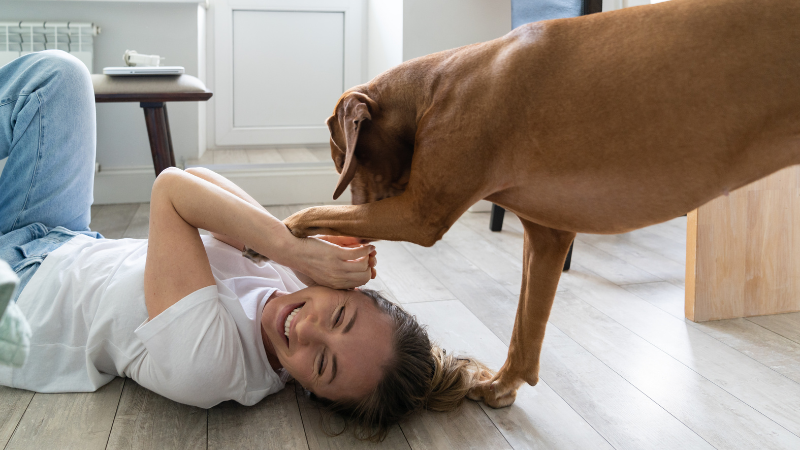
Pawland pet care services are available across the UAE, providing trusted, in-home support for active and affectionate breeds like the Vizsla. With personalised one-on-one attention, structured routines, playtime, exercise, on-time feeding, daily updates with photos and videos, and verified professional sitters, we ensure your dog stays safe, happy, and mentally stimulated while you are away, whether you are in Dubai, Abu Dhabi, Sharjah, or other Emirates.
Dog Sitting Services
Our dog sitting services offer drop-in visits, live-in sitters, or in-home care based on your dog’s needs. Each visit includes personalised attention, routine feeding, playtime, exercise, medication support if required, and regular updates. This service is ideal for Vizslas that need companionship, structure, and active engagement while you’re away.
In-Home Dog Boarding
Our dog boarding services option allows your Vizsla to stay in a safe home setting with dedicated supervision and personalised care. This is a stress-free alternative to traditional boarding centres, ensuring your dog receives focused attention, freedom of movement, routine maintenance, and continuous updates, perfect for active and sensitive breeds.
Dog Walking Services
Our dog walking services are designed for energetic breeds like the Vizsla. We provide active walks that support daily exercise needs, mental stimulation, and healthy behavior. Regular walking helps maintain physical fitness, reduce stress, and keep your Vizsla balanced and well-behaved at home.
Nutrition and Feeding Guide
Vizslas require a high-quality, protein-rich diet to support their high energy levels, active metabolism, and lean muscle maintenance. They need roughly 1,000–1,500 calories daily, depending on activity level, often favoring protein sources like chicken, beef, or fish. Due to their active nature, many owners opt for “athlete” formulas with higher fat and protein levels.
Key Nutritional Needs
- High Protein: Essential for muscle maintenance, with animal-based proteins as the top ingredient.
- Healthy Fats: Necessary for energy and a shiny, short coat, with Omega-3 and Omega-6 fatty acids.
- Controlled Growth (Puppies): Puppies need a precise calcium-to-phosphorus ratio to prevent joint issues.
- Sensitive Stomachs: Due to potential digestive sensitivities, a high-quality, easily digestible diet is recommended.
Feeding Schedule & Portions
- Puppies (8 weeks to 6 months): Feed 3-4 times daily to support rapid growth.
- Adults (6 months+): Switch to twice-daily feeding, following the advice of your vet rather than solely relying on bag recommendations.
- Portion Control: Monitor weight closely to prevent obesity, as Vizslas are susceptible to joint strain, particularly hip dysplasia.
- Water: Always provide fresh water, especially given their high activity levels.
Dietary Options
- Dry Kibble: Look for high-quality, grain-inclusive or grain-free, depending on allergies.
- Raw/Fresh Food: A nutrient-dense option featuring raw meat and vegetables, which can help with sensitive digestion.
- Supplements: Omega-3 fish oil or coconut oil is often recommended to support coat health
Health and Common Medical Issues
Vizslas are generally healthy and athletic dogs with a typical lifespan of 12 to 15 years. However, the breed is genetically predisposed to several joint, neurological, and autoimmune disorders.
Orthopedic and Joint Conditions
- Hip Dysplasia: This hereditary misalignment of the ball-and-socket hip joint causes painful friction, limping, and early-onset arthritis. The Vizsla Club of America strongly recommends Orthopedic Foundation for Animals (OFA) evaluations before breeding.
- Elbow Dysplasia: A similar genetic joint laxity in the front legs that restricts mobility.
2. Neurological and Eye Diseases
- Idiopathic Epilepsy: Vizslas are prone to primary epilepsy, which triggers unprovoked seizures starting in early adulthood. While lifelong, it is usually manageable with daily veterinary medications.
- Progressive Retinal Atrophy (PRA): A genetic eye disease causing gradual blindness, typically starting as night-blindness.
- Glaucoma: A rapid, painful buildup of fluid pressure inside the eye that demands emergency care to prevent permanent vision loss.
3. Autoimmune and Skin Conditions
- Canine Atopic Dermatitis: Severe environmental allergies to grass, pollen, or dust mites lead to chronic paw-licking, skin redness, and systemic itchiness.
- Vizsla Inflammatory Polymyopathy (VIP): A breed-specific immune-mediated muscle disorder that typically targets the head and neck, resulting in muscle wasting, drooling, and difficulty swallowing.
- Sebaceous Adenitis: An immune condition where the body attacks its own skin oil glands, leading to flaky skin and localized hair loss.
4. Other Serious Risks
- Gastric Torsion (Bloat): Their deep-chested build puts them at high risk for a fatal, twisted stomach. Avoid exercise an hour before or after eating to prevent this emergency.
- Cancer: Older Vizslas suffer high rates of aggressive cancers, specifically hemangiosarcoma (blood vessel walls) and lymphoma.
- Ear Infections: Their floppy ear structure traps moisture, making frequent cleaning vital to stop chronic bacterial or yeast infections.