

Cats may not demand attention the way dogs do, but that doesn’t mean they enjoy being left alone for long periods. They still rely on familiar routines, regular meals, mental stimulation, and interaction with the people they trust. When those things suddenly disappear, even the most confident cat can experience boredom, stress, or changes in behavior.
So, what actually happens after you leave the house? Do cats simply sleep all day, or do they miss their owners more than they let on? Understanding what your cat experiences while you’re away can help you make better decisions about their care and ensure they stay healthy, comfortable, and happy.
Are Cats Really as Independent as We Think?
Cats have built a reputation for being low-maintenance pets. They groom themselves, use a litter box, and don’t need to be walked several times a day. Compared to dogs, they certainly seem more self-sufficient.
Most indoor cats quickly become attached to their daily routine. They know when breakfast is served, when the house becomes quiet, and even what time you usually come home from work. Their day follows a predictable pattern, and that consistency helps them feel safe.
When their routine suddenly changes, many cats notice almost immediately. Some adapt without any problems, while others become restless, quieter than usual, or spend more time waiting near the door. Every cat responds differently, but one thing remains the same: they still depend on their owners for comfort, security, and daily care.
What Does Your Cat Actually Do While You’re Away?
If you’ve ever wondered what your cat gets up to after you leave, you’re not alone. Many pet owners imagine their cat wandering through the house looking for them all day. In reality, most cats spend their time doing a variety of natural activities that help them stay relaxed and entertained.
Sleeping Takes Up Most of Their Day
The biggest surprise for many owners is just how much cats sleep. Healthy adult cats typically sleep between 12 and 16 hours a day, while kittens and senior cats may sleep even longer.
Sleeping isn’t a sign that your cat is lonely or unhappy. It’s simply part of their natural behavior. Even though indoor cats no longer need to hunt for food, they still follow the instincts of their wild ancestors by conserving energy through long periods of rest.
However, sleeping all day because there’s nothing else to do is very different from sleeping as part of a healthy routine. That’s why providing enrichment while you’re away is just as important as leaving enough food and water.
Watching the Outside World
Once your cat wakes up, they’ll often head straight to their favorite window. Birds flying past, leaves blowing in the wind, or even people walking outside can keep a cat entertained for surprisingly long periods.
Watching the outside world stimulates their natural hunting instincts without putting them in danger. A comfortable window perch or cat tree near a window can provide hours of safe entertainment and help prevent boredom.
Grooming and Exploring
Cats also spend a considerable amount of time grooming themselves. Beyond keeping their coat clean, grooming helps them relax and regulate their body temperature.
When they’re finished, many cats begin exploring their surroundings. They may inspect different rooms, climb onto shelves, scratch their favorite post, or investigate new smells around the house. These simple activities satisfy their curiosity and provide gentle physical exercise throughout the day.
Independent Play
Not every cat spends the day sleeping. Younger and more active cats often entertain themselves with toys, tunnels, puzzle feeders, or climbing furniture.
Interactive toys and scratching posts encourage natural behaviors like chasing, climbing, and scratching. Without these forms of enrichment, energetic cats are more likely to become bored, which can eventually lead to unwanted behaviors such as excessive scratching or knocking objects off shelves.
How Long Can You Leave a Cat Alone?
This is one of the most common questions among cat owners, and the answer depends on your cat’s age, health, and personality.
A healthy adult cat can usually stay home alone while you’re at work, as long as they have fresh water, enough food, and a clean litter box. Most will spend the day following their normal routine of sleeping, grooming, exploring, and relaxing.
However, being away for an entire day or several days is a different situation. Even if automatic feeders and water fountains are available, cats still need someone to check on their well-being, refresh their supplies, and make sure everything is normal.
Kittens should never be left alone for long periods because they need frequent meals, supervision, and plenty of social interaction while they’re growing. Senior cats also require extra attention, especially if they have age-related health conditions or need medication.
If your cat has diabetes, kidney disease, or any other medical condition, regular monitoring becomes even more important. A missed meal or delayed medication can quickly become a serious health concern.
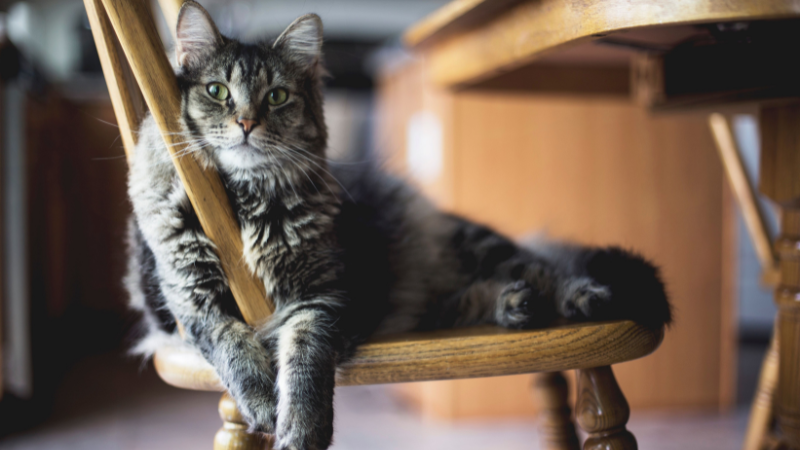
If you want to keep your cat stress-free and maintain their normal routine, hiring a professional cat sitting service is one of the best decisions you can make. Instead of disrupting their environment, your cat can stay comfortably at home while receiving meals on time, fresh water, litter box cleaning, playtime, and plenty of attention. Pawland’s in-home cat sitting service helps your cat stick to their daily routine, reducing stress and ensuring they stay safe, comfortable, and well cared for until you’re back.
Why Routine Matters More Than You Might Realize
Cats don’t just become attached to their home, they become attached to the routine inside it. They know when breakfast is served, when it’s time for play, and when you’ll usually walk through the front door. These predictable moments give cats a sense of security and help them feel in control of their environment.
When that routine suddenly changes, some cats adapt quickly, while others may struggle. They might eat less, hide more often, sleep at unusual times, or become more vocal once you return home. These behaviors don’t necessarily mean your cat is unhappy, but they often indicate that something in their normal routine has changed.
What Happens If a Cat is Left Alone for Too Long?
Many cat owners assume that leaving extra food and water is enough for a short trip. While this may seem convenient, cats need much more than their basic necessities.
They need fresh water, a clean litter box, mental stimulation, and someone to notice if something isn’t right. Without those things, even a healthy cat can begin to struggle after an extended period alone.
The longer a cat is isolated, the greater the chance that small issues such as refusing food, dehydration, or unusual behavior can go unnoticed until they become more serious.
Your Cat May Become Bored
Boredom is one of the most common problems indoor cats face when left alone. Cats naturally enjoy climbing, exploring, hunting, and interacting with their surroundings. If there’s nothing interesting to do, they may spend most of the day sleeping simply because they have no other stimulation.
Over time, boredom can lead to unwanted behaviors such as scratching furniture, chewing household items, knocking objects off shelves, or excessive meowing when you return home. Keeping your cat mentally engaged is just as important as providing food and water.
If you’ll be away for an extended period, in-home cat boarding is one of the safest and most comfortable options for your cat. Instead of staying alone, your cat can live in a loving home environment where they receive the same care, attention, and routine they enjoy at home. At Pawland, experienced and professional sitters treat every cat like family, providing personalized feeding, playtime, affection, and daily care in a calm, stress-free setting. It’s an ideal solution for cats that need companionship and a familiar home atmosphere while you’re away.
Loneliness Can Affect Some Cats More Than You Think
People often believe cats don’t miss their owners, but that’s a common misconception. While cats may express affection differently from dogs, many form strong bonds with their families. They recognize familiar voices, routines, and daily interactions, and some cats genuinely miss that companionship when it’s gone.
A cat that’s left alone for too long may become quieter than usual, hide more often, or seem unusually clingy once you return home. Others may greet you with loud meows because they’re seeking attention after hours or days without meaningful interaction.
Stress Can Show Up in Different Ways
Cats are excellent at hiding discomfort, which means stress isn’t always obvious. Instead of dramatic behavior changes, you may notice small signs such as eating less, sleeping in unusual places, avoiding family members, or becoming less interested in toys they normally enjoy.
Some cats may even begin overgrooming, which can lead to hair loss or irritated skin if the stress continues for a long time. Paying attention to these subtle changes can help you identify problems before they become more serious.
Health Problems Can Go Unnoticed
One of the biggest concerns about leaving a cat alone isn’t loneliness, it’s the possibility of a medical emergency. Cats can become ill very quickly, and because they instinctively hide pain, early symptoms are often difficult to spot. If no one is checking on your cat, a missed meal, vomiting, difficulty using the litter box, or unusual behavior could go unnoticed for many hours.
Senior cats and pets with ongoing medical conditions are particularly vulnerable. They may need medication, special diets, or closer monitoring to ensure everything is normal. Having someone check on your cat each day can make a significant difference if an unexpected health issue arises.
Which Cats Need the Most Attention?
Although every cat benefits from regular care, some require much closer supervision than others. Kittens need frequent meals, playtime, and social interaction while they’re growing. Senior cats often need help managing age-related conditions and may require medication or special diets. Cats recovering from surgery or illness also need daily observation to ensure they’re healing properly. Even healthy adult cats may struggle if they’re naturally social or have previously experienced separation anxiety. Understanding your cat’s personality is the best way to decide how much support they’ll need while you’re away.