
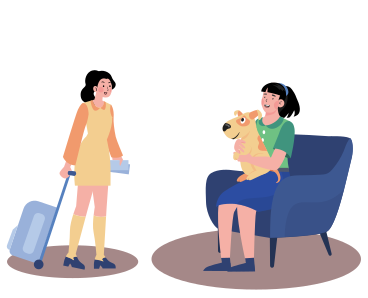
Dog boarding is a service providing safe, overnight, or extended care for dogs at a professional facility, such as a kennel, pet hotel, or veterinary clinic, while owners are away. These facilities offer structured supervision, food, exercise, and social interaction, acting as a “home away from home” for pets.
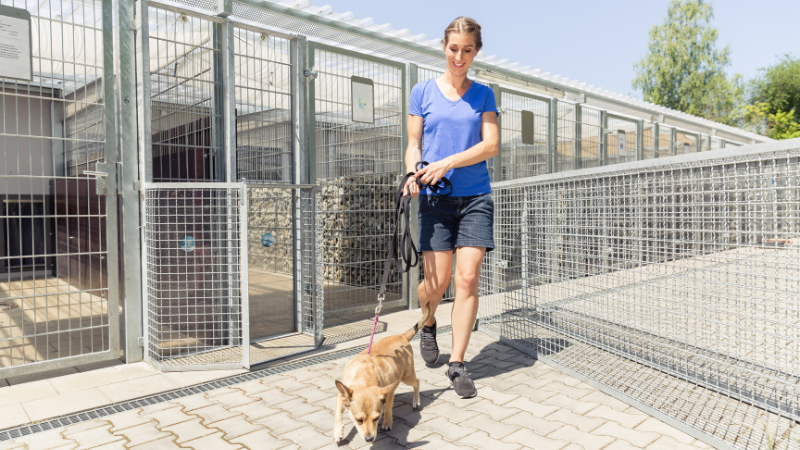
Where Dogs Stay When Boarding
Dogs boarding generally stay in secure, climate-controlled, individual, or shared enclosures within professional facilities, ranging from traditional kennel runs to upscale pet suites. These spaces, often featuring raised bedding and, in some cases, indoor/outdoor access, provide a safe, supervised environment for sleeping and resting.
How Long a Dog Stay in Boarding
Dogs can stay in boarding for durations ranging from a single overnight stay to several weeks or months, with 3-7 days being typical for standard trips. While many healthy dogs comfortably manage 2-4 weeks with proper care, stays exceeding a month require careful consideration of the dog’s temperament, health, and the facility’s quality.
Who Takes Care of Your Dog During Boarding?
During boarding, your dog is cared for by trained professionals, which may include experienced kennel staff at a boarding facility or a professional dog sitter in a home-based setting. These caregivers focus on your dog’s comfort and safety, providing daily personalized care such as feeding, walks, playtime, exercise, companionship, and administering medication if needed. Whether in a facility or with a dog sitter, your pet receives attentive supervision and loving care throughout their stay.
Who is a Dog Sitter?
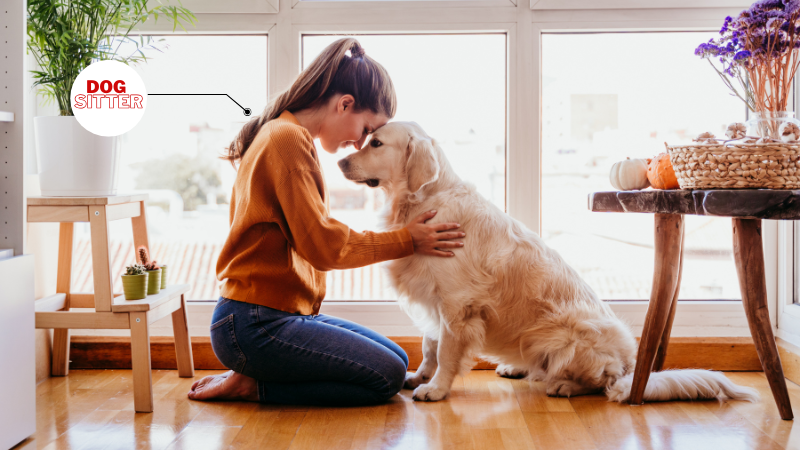
A dog sitter is a person who cares for a dog in its own home or their own home while the owner is away, managing feeding, walks, playtime, and medication. They provide companionship, maintain the dog’s routine, and sometimes offer home security, acting as a “pet babysitter” to reduce stress for the animal.
How Does Dog Boarding Work?
Dog boarding is a service where your dog stays overnight or for an extended period at a professional facility or private home while you are away. Unlike pet sitting, where a caregiver visits your home, boarding involves transporting your dog to a new environment designed for their care.
How the Process Works
Boarding typically follows a structured step-by-step process to ensure safety and comfort:
- Selection & Booking: You choose a facility such as a traditional kennel, luxury hotel, or veterinary clinic and book in advance, especially for holidays.
- Trial & Evaluation: Reputable facilities often require a “meet and greet” or a trial daycare day to evaluate your dog’s temperament and ensure they are comfortable in the environment.
- Check-In: On drop-off day, you provide medical records, vaccination proof (typically Rabies, Distemper, and Bordetella), and emergency contact info.
- The Stay: Dogs follow a daily routine that includes:
- Feeding: Staff follow your specific instructions; bringing your own food is often encouraged to prevent digestive issues.
- Exercise & Play: Options include group play sessions for social dogs or one-on-one “solo” play for those who prefer human interaction.
- Rest: Dogs sleep in private kennels, crates, or luxury suites with bedding.
- Health Monitoring: Staff monitor behavior and health daily, some facilities have 24/7 staffing or veterinary oversight.
- Updates & Pick-Up: Many facilities provide “report cards,” photos, or live webcam access. You pick up your dog at an agreed-upon time to avoid extra fees.
Types of Dog Boarding Options
Dog boarding options range from budget-friendly traditional kennels to premium, specialized care, including in-home, veterinary, and luxury services, catering to different canine needs and owner preferences. Key options include structured kennels for socialization, personalized in-home dog boarding, and specialized “board and train” facilities for obedience training.
Here is a breakdown of the main types of dog boarding options:
- Traditional Boarding Kennels: These are professional, secure facilities offering private, often chain-link enclosures for dogs. They are suitable for well-socialized dogs that follow a daily, structured routine of feeding and exercise.
- In-Home Dog Boarding: Dogs are cared for in a sitter’s home, providing a cozy, home-like environment rather than a facility. This option is often preferred for sensitive or anxious dogs.

- Daycare and Boarding Hybrids: Many doggy daycares offer overnight boarding services. Dogs play in group settings during the day and stay in private enclosures at night, making this ideal for high-energy pets.
- Luxury Dog Hotels and Resorts: These upscale facilities offer premium amenities, including spacious suites with comfortable beds, televisions, individual playtime, and spa-like treatments.
- Board and Train Facilities: This option combines boarding with professional training, where dogs receive obedience or behavior-modification sessions from qualified trainers while staying at the facility.
- House and Pet Sitting: A sitter stays in the dog’s own home, which minimizes stress by keeping the pet in a familiar environment.
Veterinary Boarding: Boarding services located within a veterinary clinic or animal hospital. This is the ideal choice for dogs with medical conditions that require close supervision or daily medication.
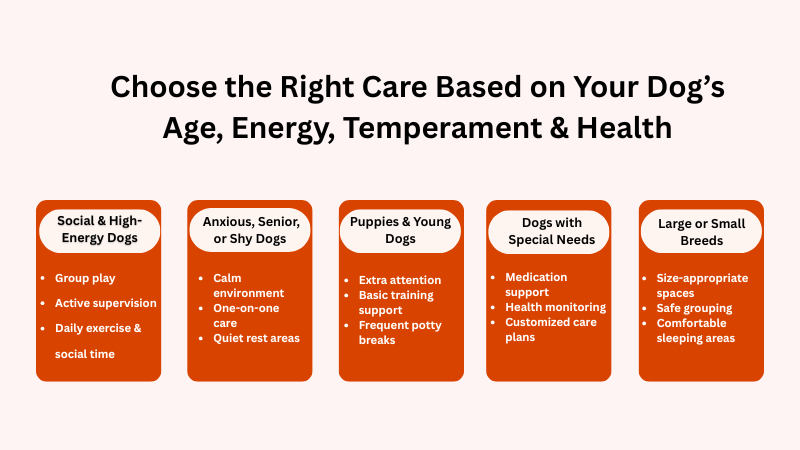
Choosing the right dog boarding facility depends on aligning the facility’s services with your dog’s specific characteristics, such as age, energy level, temperament, and health needs. Reputable facilities often conduct temperament assessments to group dogs by size, age, and play style to ensure safety and comfort.
Boarding Based on Key Characteristics
- Social and High-Energy Dogs
- Anxious, Senior, or Shy Dogs
- Puppies and Young Dogs
- Dogs with Special Needs or Health Conditions
- Large or Small Breeds
What Happens to Dogs During Boarding?
During boarding, dogs typically follow a structured daily routine involving monitored playtime, personalized care, regular meals, and, if applicable, social interaction with other dogs of similar temperament. While some dogs thrive on the activity and socialization, others may experience stress, anxiety, or reduced appetite due to the new, noisy environment.
Key Aspects of Dog Boarding:
- Routine and Structure: Facilities often operate on strict schedules, including morning/evening potty breaks, breakfast, playtime, and downtime.
- Safety and Care: Trained staff monitor dogs for health, behavior, and stress, sometimes partnering with vets for emergencies.
- Interaction and Play: Dogs are often separated by size and temperament for group play, though some offer private, individual playtime.
- Overnight Accommodation: Dogs are housed in private kennels or, in some cases, luxury suites with bedding, music, or cameras.
- Common Stress Factors: Dogs may experience separation anxiety, resulting in barking, pacing, or not eating.
- Health Risks: Despite health checks and vaccination requirements, boarding can increase the risk of infectious diseases like kennel cough.
What Does Dog Boarding Include?
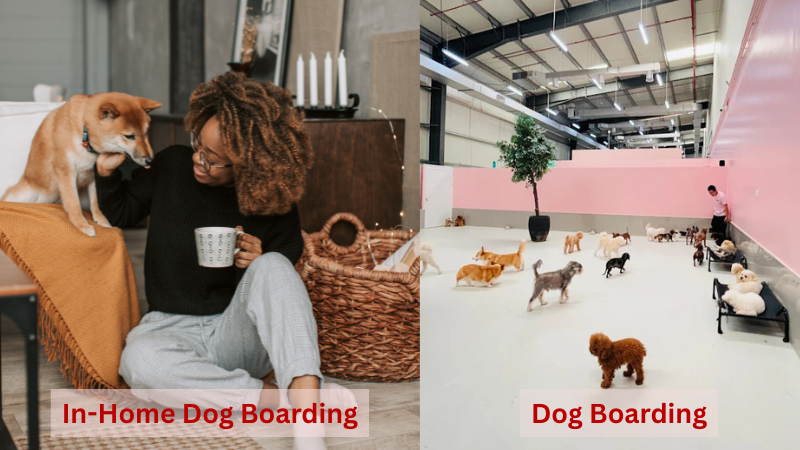
Dog boarding provides, at minimum, overnight accommodation, daily meals, and supervised potty breaks in a secure environment, such as a kennel or professional facility. Most services include routine care, exercise, and interaction with staff, while higher-end facilities may offer specialized, private suites. Additional services, such as grooming, training, or playtime, are often available for an extra fee.
Here is a breakdown of what dog boarding typically includes:
- Accommodation: Private, safe, and secure sleeping quarters, often in a climate-controlled environment, such as a kennel, crate, or private “hotel” suite.
- Meals & Feeding: Consistent, scheduled feeding tailored to your dog’s diet (often provided by the owner to prevent digestive upset).
- Supervised Exercise: Scheduled, supervised playtime in secure areas, which may include group play with other dogs or one-on-one time with staff.
- Basic Care & Human Interaction: Trained staff members are usually on-site to monitor pets, provide water, and offer socialization to ensure they are comfortable.
- Potty Breaks: Regular access to outdoor areas for urination and defecation.
- Optional Upgrades: Many facilities offer, at an additional cost, amenities like grooming, training, specialized enrichment activities, webcams for viewing your pet, or luxury services like spas.
Common types of boarding include traditional kennels, veterinarian offices for medical supervision, and high-end pet resorts.
Reasons to Board Your Dog
Boarding your dog offers a safe, structured, and supervised environment while you are away, ensuring they receive professional care, regular exercise, and socialization. Key reasons include around-the-clock supervision for safety, consistent routines for feeding and activity, and expert care for pets with medical needs, providing peace of mind.
Top Reasons to Board Your Dog
- Professional Care & Safety: Facilities have trained staff to monitor your dog, manage medical needs, and handle emergencies. They provide a secure environment, preventing dogs from escaping or getting into trouble at home.
- Structured Routine: Dogs thrive on consistency. Boarding provides a set schedule for feeding, bathroom breaks, and playtime, reducing anxiety.
- Socialization and Exercise: Dogs get to play with other compatible dogs and receive plenty of exercise, which prevents boredom and destructive behavior.
- Peace of Mind for Owners: Knowing your dog is safe and cared for allows you to travel without worry.
- Specialized Attention: Many facilities offer additional services like grooming, training, or customized care for older or special-needs dogs.
- Avoids Household Disruption: Boarding keeps your dog safe during home repairs, moves, or busy holiday periods.
- Social Enrichment: Dogs can interact with staff and other pets, reducing loneliness.
Dog Boarding Facilities
Dog boarding facilities offer professional, secure care for pets, featuring 24/7 monitoring, trained staff, and emergency vet access. Benefits include structured daily routines, regular exercise, socialization with other dogs, and reduced loneliness, ensuring pets are safe, comfortable, and well-cared for while owners are away.
Key Benefits of Dog Boarding Facilities:
- Professional and Experienced Care
- Safety and Security
- Socialization and Exercise
- Routine and Stability
- Emergency Care Access
- Optional Amenities
Who is Boarding Best For
Dog boarding is best for social, energetic dogs who enjoy the company of other animals and people, offering them a structured environment, socialization, and constant care. It is an ideal solution for pet owners traveling, those needing professional supervision for special medical needs, or when providing a safe, secure, and engaging environment during long absences.
- Social and Active Dogs
- High-Energy Breeds
- Dogs Requiring Medical Care
- Owners Seeking Security
- Young/Puppy Socialization
Is Dog Boarding Safe for Dogs in the UAE?
Dog boarding in the UAE can be safe, especially when you choose trusted services like Pawland’s in-home dog boarding. Unlike traditional kennels, in-home boarding offers a familiar, home-like environment, 24/7 supervision, and personalized care tailored to your dog’s needs. Pawland ensures all dogs are vaccinated and cared for by trained sitters who maintain routines, monitor health, and provide plenty of attention. Always meet the sitter and check reviews to guarantee a safe and comfortable stay for your pet.
Legal & Ethical Aspects of Dog Boarding in the UAE
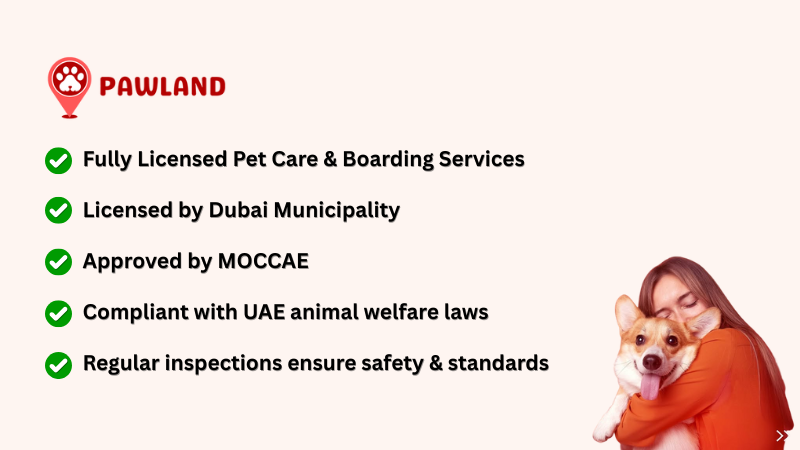
Dog boarding in the UAE is a heavily regulated industry, governed by federal animal welfare laws and specific municipal regulations designed to ensure the safety, health, and ethical treatment of pets. Key authorities, such as the Dubai Municipality and the Ministry of Climate Change and Environment (MOCCAE), require strict compliance regarding licensing, facility standards, and animal welfare, with violations resulting in significant fines or business closure.
Why Most Pet Owners in the UAE Love In-Home Dog Boarding
In-home dog boarding is favored by UAE pet owners for providing a stress-free, cage-free, and highly personalized alternative to traditional kennels. These services allow dogs to maintain their regular routines in a comfortable home environment while receiving one-on-one attention, tailored care, and improved safety, crucial for managing the intense heat and ensuring emotional well-being.
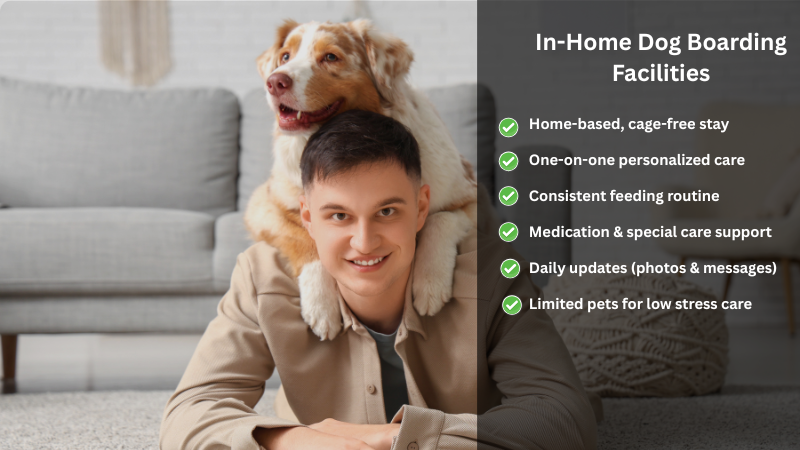
In-home boarding in the UAE includes:
- A Home-Like Environment That Reduces Stress
- Personalised One-on-One Care
- Better for Anxious and Sensitive Dogs
- Fewer Dogs, More Attention
- Maintains Your Dog’s Daily Routine
- Safer and Cleaner Than Large Kennels
- More Comfort Compared to Traditional Boarding Kennels
- Regular Updates and Peace of Mind for Owners
- A Trusted Alternative to Commercial Dog Boarding
Traditional Boarding Kennels vs. In-Home Dog Boarding Services
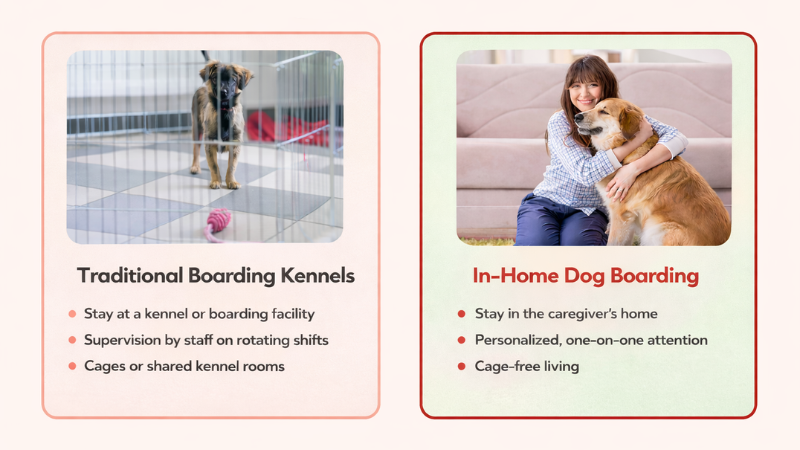
Traditional dog boarding offers a secure, structured, kennel-based environment, often best for socialized dogs needing constant supervision and interaction. In-home dog boarding provides a lower-stress, personalized, home-like setting, ideal for anxious, senior, or shy dogs needing one-on-one attention and fewer health risks.
Traditional Dog Boarding (Kennels)
- Pros: Highly structured, professional supervision 24/7, better for high-energy dogs, and socialization with other dogs.
- Cons: Higher stress due to noise and unfamiliar environment, increased risk of disease transmission (cough, infection), and less personal attention.
- Best For: Active, social dogs that enjoy the company of other dogs.
In-Home Dog Boarding
- Pros: Lower stress in a familiar environment, customized care and routine, reduced exposure to illnesses, and one-on-one attention.
- Cons: Potential for less consistent structure than a kennel, potential for higher cost in some cases, and less supervision in some scenarios.
- Best For: Elderly dogs, shy dogs, dogs with medical conditions, or pets with high separation anxiety.
Which Dogs are Best Suited for Dog Boarding?
Dogs best suited for boarding are typically social, adaptable, and comfortable around other dogs and people. Ideal breeds for group boarding environments include friendly, high-energy dogs like Labradors, Golden Retrievers, Boxers, and Beagles. Smaller, adaptable breeds like Pugs, Shih Tzus, and French Bulldogs also handle boarding well.
Best Breeds for Boarding and Socialization
- Active and Sociable: Labrador Retrievers, Golden Retrievers, Boxers, and Beagles thrive on the stimulation, playtime, and companionship found in daycare or boarding settings.
- Small and Adaptable: Bichon Frise, Cavalier King Charles Spaniels, Shih Tzus, and Pomeranians are generally suitable for boarding.
- Independent/Low-Maintenance: Breeds that are generally comfortable with less constant human attention, such as Chihuahuas, Basset Hounds, and Greyhounds, can do well in boarding, particularly if they are used to owners with busy
Benefits of Dog Boarding
Dog boarding offers significant benefits for both owners and pets, providing professional, secure care for dogs while giving owners peace of mind during travel or busy times. Dogs gain socialization, mental stimulation, and structured exercise, which can reduce anxiety and destructive behaviors. Key benefits include 24/7 safety, expert supervision, and consistent routines, ensuring a happy, healthy, and safe environment for pets while they are away from home.

Benefits of Dog Boarding for Owners
- Peace of Mind: Knowing your dog is in a safe, secure, and professionally monitored environment allows you to relax while away.
- Professional Care & Safety: Staffed by trained professionals, facilities offer expert care, including medication administration, injury prevention, and quick response to emergencies.
- Convenience: Boarding offers a reliable, structured solution for pet care during vacations or, for example, urgent, short-notice trips.
- Structured Routine: Facilities maintain a consistent schedule for feeding, walking, and playtime, reducing the stress of care logistics.
- Reduced Liability/Cleanup: Avoids the need for strangers in your home and keeps your home free of pet-related damage or messes.
Benefits of Dog Boarding for Dogs
- Socialization and Play: Dogs have the opportunity to interact, play, and run with other dogs, improving their social skills and reducing stress.
- Mental and Physical Stimulation: Structured activities and play areas provide necessary exercise, reducing boredom-related, destructive, and anxious behaviors.
- Reduced Separation Anxiety: Positive, fun, and safe experiences at a kennel can help dogs learn to be more independent, reducing anxiety when they are apart from their owners.
- Routine Maintenance: Dogs thrive on structure; boarding provides consistent, professional, and familiar daily routines.
- Supervised Environment: High-quality facilities offer a safe, controlled environment designed specifically for canine safety.
Common Concerns About Dog Boarding
Common concerns about dog boarding focus on potential stress, anxiety, and health risks, including exposure to illness, unfamiliar environments, and behavioral changes. Owners frequently worry about inadequate care, lack of personalized attention, and safety in high-density, noisy facilities. Key issues also include potential behavioral issues like aggression or separation anxiety.
Top Concerns Regarding Dog Boarding:
- Stress and Anxiety: Changes in routine, loud noises, and unfamiliar surroundings can cause significant stress, leading to or exacerbating separation anxiety in dogs.
- Health and Safety Risks: Dogs may be exposed to communicable diseases (e.g., kennel cough) due to close contact with other animals.
- Behavioral Changes: Some dogs may exhibit, or return with, behavioral changes, such as increased clinginess, anxiety, or, in some cases, aggression.
- Inadequate Care and Supervision: Concerns often exist regarding whether staff will properly feed, exercise, and monitor pets, especially if the facility is overcrowded.
- Unfamiliar Environment: The lack of familiar comforts, scents, and people can make the experience traumatic for sensitive dogs.
- Safety and Maintenance: Concerns about the sanitation, cleanliness, and security of the facility.
Common Reasons for Behavioral Issues After Boarding:
- Overexcitement: High-energy environments can lead to overstimulation.
- Separation Anxiety: The absence of the owner and a new routine can cause distress.
- Adjustment Difficulties: Some dogs take longer to adjust to new environments, leading to anxiety.
Top 5 Dog Boarding Services in the UAE
When it comes to dog boarding in the UAE, Pawland stands out as the top choice, offering stress-free, in-home, cage-free, and fully personalized care for pets across the country. Their focus on comfort, routine, and one-on-one attention makes them a favorite among pet owners.
1. Pawland
Pawland offers top-rated, safe, and loving dog boarding with professional, one-on-one care. Dogs enjoy personalized attention, structured routines, and a secure environment while owners have peace of mind knowing their pets are in expert hands.

2. My Second Home
“My Second Home” is a welcoming and safe space for your dog, where they can relax, play, and enjoy their time while you’re away. With comfortable surroundings and attentive care, it’s a place where dogs feel secure, happy, and part of a routine they love.
3. Urban Tails (Dubai)
Urban Tails in Dubai provides professional and caring dog boarding services, offering a safe, clean, and engaging environment for your pets. With attentive staff and structured routines, every dog enjoys comfort, playtime, and peace of mind while their owners are away.
4. Petsville (Dubai)
Petsville offers a safe and friendly environment for dogs to stay happy and comfortable while their owners are away. With attentive care, fun activities, and a secure setting, every pet enjoys a stress-free and enjoyable boarding experience.
5. Fetch Dubai
Fetch Dubai in Al Quoz provides professional dog boarding with a focus on comfort, safety, and fun. Dogs enjoy personalized care, engaging activities, and a secure environment, giving owners peace of mind while they’re away.
How to Choose the Right Dog Boarding Service in UAE
Choosing a reliable dog boarding service in the UAE involves verifying licensed, clean facilities, checking for experienced staff, and ensuring they offer personalized care and vaccination requirements. Key steps include visiting in person, checking references, scheduling a trial stay, and asking about emergency protocols and routine.
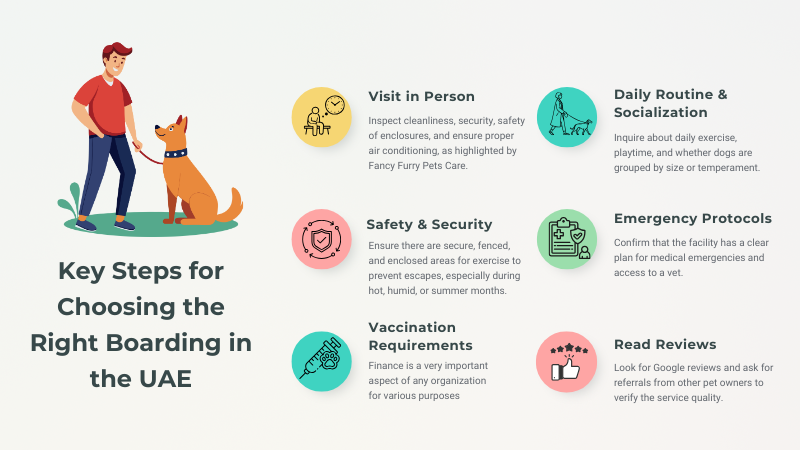
- Verify Licenses: Ensure the facility is licensed, certified, and compliant with local regulations, such as Dubai municipal regulations.
- Cleanliness & Safety: Inspect the premises for proper sanitation, secure enclosures, and safety protocols to avoid infections.
- Check Reviews: Research online, social media, and ask for recommendations from friends or local UAE veterinarians.
- Staff Experience: Ensure the staff is trained in pet care and handling, especially for dogs with special needs.
- Medical Preparedness: Confirm the facility has a veterinarian on call or a clear emergency plan.
How to Choose the Best Dog Sitter in Dubai
- Meet & Greet: Arrange a face-to-face meeting with the sitter, the dog, and the pet owner to ensure compatibility.
- Experience & Qualifications: Choose sitters with experience, proper certification, and, if possible, insurance.
- Safety & Communication: Confirm the sitter has backup plans for emergencies, such as illness, and maintains open communication.
- Care Routine: Specify the required exercise, feeding, and medical needs to ensure they match the dog’s routine.
Questions to Ask Before Booking Dog Boarding
- Is the facility licensed and insured?
- What is the ratio of staff to dogs, and are they trained?
- Will my dog be supervised during playtime?
- What is the plan if my dog gets sick or has an emergency?
- Can I bring my own food, toys, or bedding for comfort?
Mistakes to Avoid When Choosing Dog Boarding
- Not Visiting in Person: Always tour the facility to check for cleanliness, safety, and staff interaction.
- Ignoring Vaccination Requirements: Ensure your pet is up to date on all mandatory vaccinations, a strict rule in the UAE.
- Failing to Disclose Behavioral Issues: Be honest about special needs or behavioral quirks to ensure proper care.
- Choosing Based Solely on Price: Prioritize safety and comfort over low costs.
Preparing for Dog Boarding
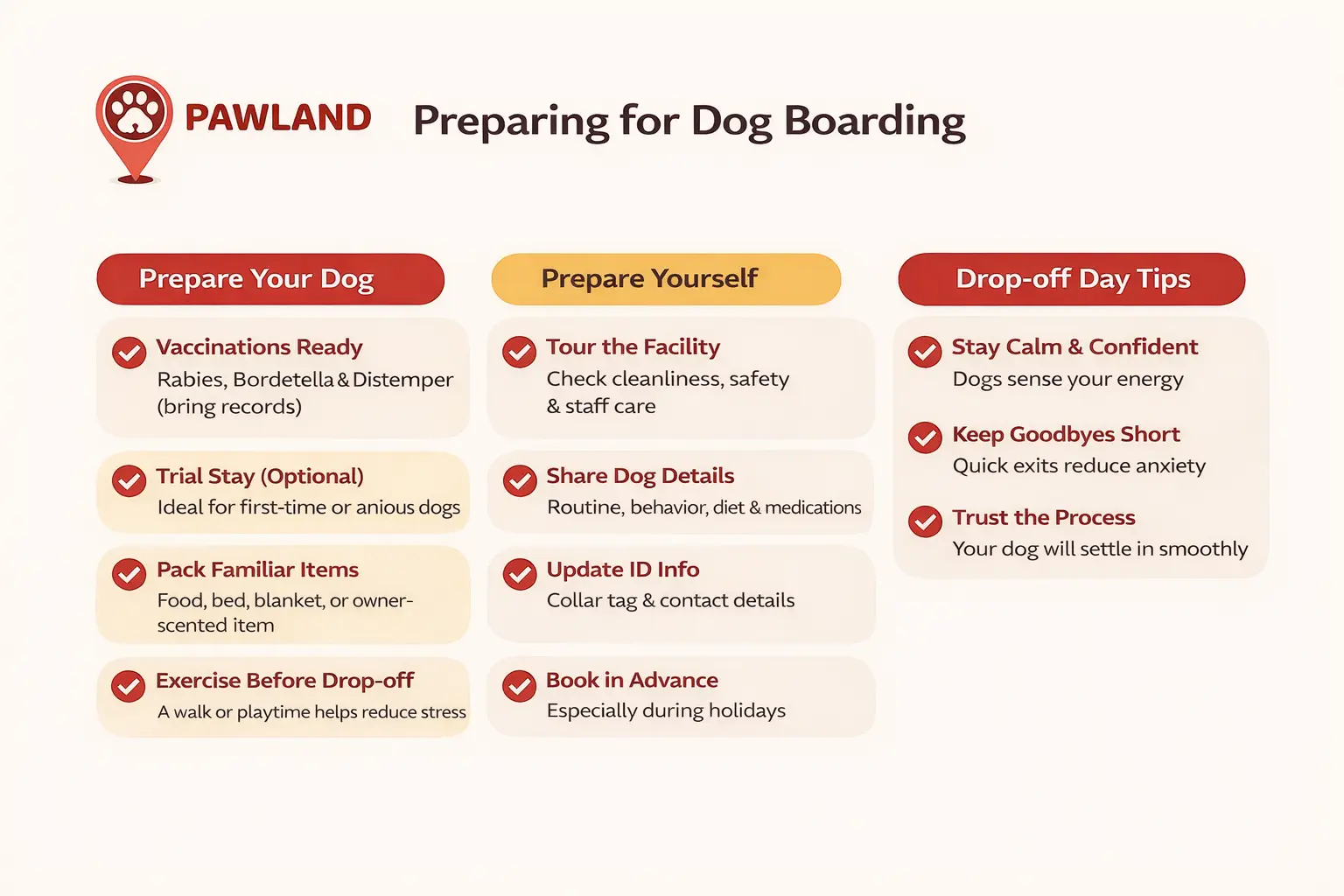
Preparing for dog boarding involves ensuring vaccinations (rabies, bordetella, and distemper) are current, conducting a facility tour, arranging a trial stay, and packing familiar items like bedding to ease anxiety. Keep routines consistent, provide detailed care instructions, and maintain a calm, brief, and confident demeanor during drop-off to ensure a stress-free experience for both you and your pet.
How to Prepare Your Dog for Boarding
- Health and Vaccinations: Ensure all vaccinations are up-to-date and bring records. Administer flea/tick prevention, and have a vet check-up.
- Trial Stay: For anxious or first-time dogs, arrange a 24-hour trial stay to acclimate them to the environment.
- Socialization: Socialize your dog with other dogs and people to reduce stress in a group environment.
- Pack Familiar Items: Bring their usual food to prevent digestive issues, along with a familiar blanket, bed, or an old t-shirt with your scent.
- Exercise: Give your dog a long walk or play session immediately before dropping them off to reduce energy and encourage settling.
- Adjust Routine: Start aligning their home feeding/sleeping schedule with the kennel’s schedule a few days in advance.
How to Prepare Yourself for Boarding
- Research Facilities: Tour potential facilities to check for cleanliness, safety (secure fencing), and staff interaction.
- Clear Communication: Inform staff about your dog’s personality, quirks, and any required medications.
- Keep Goodbyes Short: Avoid long, emotional farewells, which can increase your dog’s anxiety. A calm, quick departure is best.
- Update Info: Ensure your dog’s collar has an up-to-date ID tag.
- Plan: Book well in advance, especially during holiday seasons.
What to Bring When Boarding Your Dog
When boarding your dog, essential items include their regular food (plus extra), medications with clear instructions, and up-to-date vaccination records (rabies, bordetella, etc.). Also, bring a familiar blanket or t-shirt to reduce stress, a favorite toy, and a sturdy collar/harness with ID tags. Contact information for you and your vet is crucial.
Essential Checklist for Dog Boarding:
- Food and Treats: Pack more than enough of your dog’s regular food for the entire stay to avoid digestive issues, preferably in pre-measured bags.
- Medication: Bring all medications in their original containers with detailed, written dosage instructions for the staff.
- Documentation: Up-to-date vaccine records (often requiring Bordetella, Rabies, and DHLPP).
- Comfort Items: A blanket, a t-shirt with your scent, or a favorite toy can help ease anxiety.
- Leash and Collar: Always include a secure collar with ID tags and a sturdy leash.
- Emergency Info: Contact information for you and your veterinarian.
How to Book Dog Boarding Services in the UAE

Booking dog boarding in the UAE involves choosing between established, high-end, or cage-free, in-home services, typically booked online or via WhatsApp. Popular, trusted options include Pawland, Woof Pets Services, Petsville, and PetBacker. Booking months in advance is recommended for peak holidays, with most providers requiring a Meet & Greet.
Steps to Book Dog Boarding in the UAE
- Research and Select a Facility: Look for licensed boarding centers or reputable in-home sitters in the UAE, ensuring they have clean, safe, and air-conditioned environments.
- Vaccination Check: Ensure your dog is up-to-date with vaccinations (Rabies and Kennel Cough are mandatory) and registered with the Dubai Municipality/UAE authorities.
- Submit Inquiry and Get Quotes: Fill out an inquiry form with dates and specific needs to receive quotes from services like Pawland.
- Arrange a Meet & Greet: For in-home, cage-free, or pet-sitter services, arrange an in-person meeting to ensure compatibility.
- Book in Advance: Peak periods (Christmas, Easter, Summer, Eid) fill up quickly, sometimes 6 months in advance.
- Provide Detailed Instructions: Prepare written instructions regarding feeding schedules, medication, and behavioral habits.
- Finalize Payment and Confirm: Confirm the booking and make payments, ensuring you receive a confirmation.
- Pack Familiar Items: Bring your dog’s favorite toys, a blanket, and their regular food to help them settle in.
What to Expect When Picking Up Your Dog
When picking up your dog, expect to use proper, secure techniques that support their full body specifically placing one arm under the chest and the other under the hindquarters.
Key Aspects of Picking Up Your Dog:
- Safety First: Always use two hands and support the rear end to prevent back injury, particularly in long-bodied dogs.
- Initial Anxiety: New dogs or puppies may be nervous, anxious, or fearful. Move slowly, speak calmly, and avoid picking them up immediately if they are struggling or, alternatively, wait for them to be calm.
- Support & Comfort: Keep the dog close to your body to make them feel secure.
- Body Language Cues: If your dog whines, stiffens, or tries to escape, they may be uncomfortable or in pain. Put them down gently and try again when they are calmer.
- Small vs. Large Dogs: Small dogs (under 20 lbs) are usually lifted with one arm under the chest and the other supporting the rear, while larger dogs may require a “fireman’s lift” or, ideally, for you to crouch down to their level.
- Interaction Limitations: For new puppies, limit handling by too many people, as they can become overwhelmed.
- Alternatives to Lifting: If a dog is nervous or too heavy, consider using a slip lead, having them walk, or using a ramp.