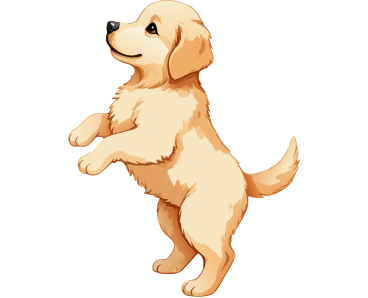


A baby Golden Retriever is playful, curious and full of love. It is also growing fast and learning everything for the first time. In these early months, your puppy needs the right food, plenty of sleep, a steady toilet routine, gentle play and kind training.
This guide explains how to care for your Golden Retriever puppy, step by step, so it grows into a healthy, happy and confident dog.
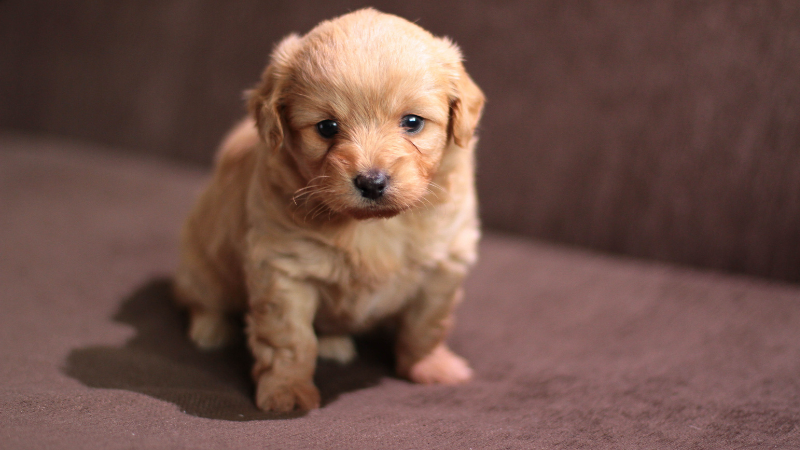
What Does a Baby Golden Retriever Need Every Day?
A baby Golden Retriever needs three or four small meals, toilet breaks every few hours, lots of sleep, short play sessions, gentle training and time with its family.
A simple puppy routine looks like this:
- Morning: toilet break, breakfast, short play, then a nap
- Midday: toilet break, lunch, gentle play, then a nap
- Afternoon: toilet break, a short training session, then a nap
- Evening: toilet break, dinner and calm play
- Night: last toilet break, then bed in a quiet, safe spot
Good to know: puppies often sleep 18 hours or more a day. Rest is when they grow, so let your puppy nap without being disturbed.
How Do You Help Your Puppy Settle In at Home?
You help your puppy settle in by giving it a safe space, keeping the home calm and starting the same routine from day one.
- Set up a cosy bed or crate in a quiet corner
- Puppy-proof the home by moving cables, shoes, plants and small objects out of reach
- Keep visitors few and calm for the first week
- Use the same food your puppy was eating before, and change slowly if needed
- Keep its bed near you for the first few nights, as many puppies cry when they feel alone
What Should You Feed a Baby Golden Retriever?
Feed a baby Golden Retriever a complete large-breed puppy food, split into three or four small meals a day.
Golden Retrievers grow quickly, and large-breed puppy food helps their bones and joints develop at a healthy pace. Our guide to the best dog food for puppies can help you choose.
- Up to about 6 months: three or four small meals a day
- From about 6 months: two or three meals a day
- Measure every meal, as extra weight strains growing joints
- Keep fresh water available at all times
- Never give chocolate, grapes, onions or cooked bones
Your vet can tell you the right amount as your puppy grows.
How Do You Toilet Train a Golden Retriever Puppy?
You toilet train a Golden Retriever puppy by taking it outside often, at the same times every day, and rewarding it every time it goes in the right place.
Young puppies can only hold their bladder for a few hours. Take your puppy out:
- As soon as it wakes up
- After every meal
- After play
- Before bed
- At least every two to three hours during the day
Praise your puppy and give a small treat the moment it finishes. Accidents will happen, so clean them up calmly and never punish your puppy. Regular, well-timed toilet breaks are the fastest way to success, and on long workdays, a midday visit from a Pawland dog sitter keeps those breaks on time.
How Do You Handle Puppy Biting and Teething?
You handle puppy biting by giving your puppy a chew toy instead of your hand and pausing play when teeth touch skin.
Golden Retriever puppies love to mouth, especially while teething between about 3 and 6 months. It’s normal, but it needs gentle guidance. These simple ways to stop puppy biting and mouthing help you teach soft play early.
- Keep soft chew toys and frozen teething toys close by
- Swap your hand for a toy every time your puppy bites
- Pause play for a few seconds if biting gets rough
- Make sure your puppy naps enough, as overtired puppies bite more
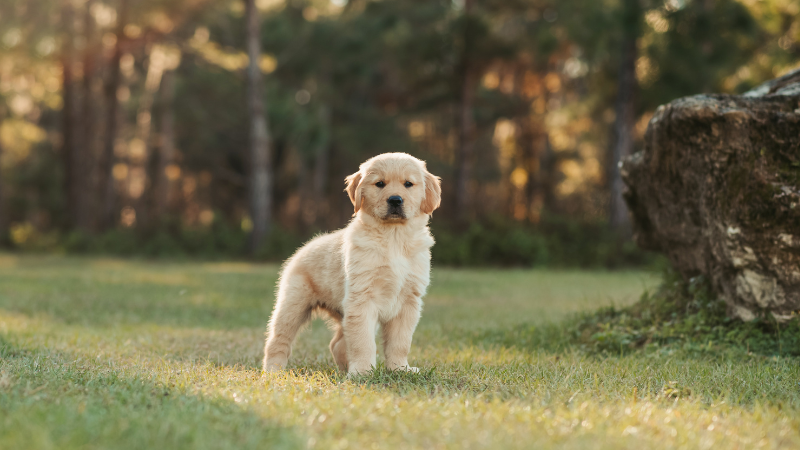
How Much Exercise Does a Golden Retriever Puppy Need?
A Golden Retriever puppy needs short, gentle exercise several times a day, not long walks.
Growing joints are delicate, so too much running, jumping or climbing stairs can harm them. A common guide is about five minutes of walking per month of age, once or twice a day.
- Play gentle fetch on soft ground
- Let your puppy sniff and explore on short walks
- Avoid long runs, jumping off furniture and lots of stairs
- In hot weather, go out only early morning or after sunset, and carry water
Before vaccinations are complete, keep outings to clean, safe areas your vet approves.
How Do You Groom a Golden Retriever Puppy?
You groom a Golden Retriever puppy with short, gentle brushing sessions two or three times a week, so it learns to enjoy being handled.
- Brush with a soft brush for a few minutes at a time
- Touch and check ears, paws and teeth every day
- Trim nails every two to three weeks
- Bathe only when needed, using a gentle puppy shampoo
Golden Retrievers grow a thick double coat that sheds a lot, so starting the habit early makes grooming much easier later.
What Vet Care Does a Golden Retriever Puppy Need?
A Golden Retriever puppy needs a full course of vaccinations, regular deworming, flea and tick protection, a microchip and registration.
Book a vet visit in your puppy’s first few days at home. Your vet will set a vaccination schedule, usually over the first few months, so keep a record of every visit.
Call your vet if your puppy:
- Stops eating or drinking
- Has diarrhoea or vomits more than once
- Seems very tired or weak
- Scratches its ears or shakes its head a lot
As your puppy grows, ask your vet about hip and elbow checks, as Golden Retrievers can be prone to joint problems.
How Do You Socialise a Golden Retriever Puppy?
You socialise a Golden Retriever puppy by gently introducing it to new people, sounds, places and calm, vaccinated dogs while it is young.
The first few months are when puppies learn what is safe. Good experiences now help your Golden Retriever grow into a calm, confident adult.
- Invite calm friends over to meet your puppy
- Let your puppy hear everyday sounds such as doorbells, traffic and the vacuum
- Practise short car rides
- Reward calm behaviour with treats and praise
How Long Can a Golden Retriever Puppy Be Left Alone?
A young Golden Retriever puppy should only be left alone for short periods, usually no more than two to three hours.
Puppies need toilet breaks, food, play and company. Left alone too long, they may cry, chew things or have accidents.
- Build up time alone slowly, starting with a few minutes
- Leave a safe chew toy in its bed or crate
- Give a toilet break and some play before you leave
- Keep goodbyes and hellos calm
Care for Your Puppy When You’re Busy or Away
Puppies can’t wait until the end of a long workday. They need toilet breaks, meals and company throughout the day, and that’s where Pawland’s dog services fit naturally into your puppy’s routine.
- On workdays: a Pawland dog sitter can drop in at midday for a toilet break, lunch and some play, so your puppy is never alone for too long.
- Once vaccinated: Pawland’s dog walking gives your puppy short, gentle walks in the cooler hours, at a pace that’s safe for growing joints.
- When you travel: a Pawland sitter can care for your puppy in its own home, keeping its meals, naps and toilet training on track. A vaccinated, sociable puppy can also stay with a sitter through home dog boarding, with company all day instead of a kennel.
Before any visit or stay, share your puppy’s meal times, toilet routine, nap times, the commands it’s learning and your vet’s details, so its day stays just as it is at home.