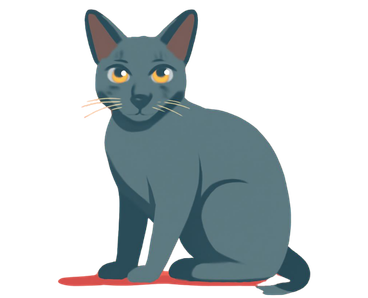


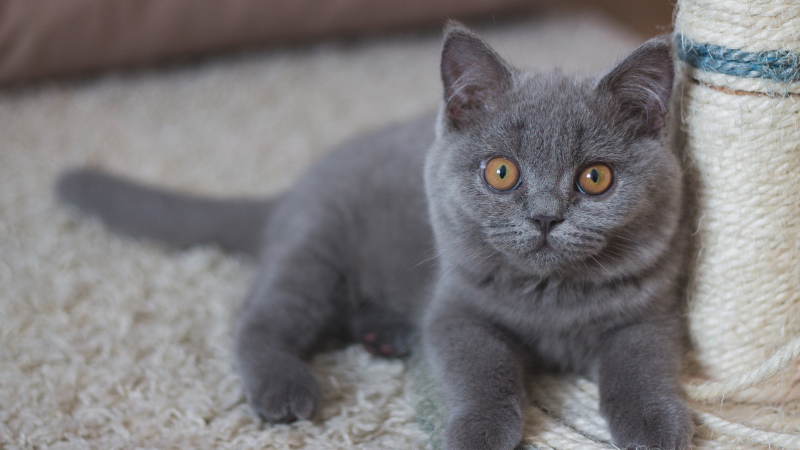
The Korat cat is one of the oldest and rarest natural cat breeds in the world, famous for its striking silvery-blue coat and distinctive heart-shaped face. Originating from Thailand, where it is known as the Si-Sawat (meaning the color of prosperity), this breed has been cherished for centuries as a living good-luck charm.
If you are looking for a highly intelligent, deeply affectionate, and loyal feline companion, the Korat might be your perfect match. This comprehensive guide covers everything you need to know about their unique personality, specialized care, expected lifespan, and current market price before bringing one home.
Korat Cat Appearance
At first glance, a Korat looks muscular and elegant. However, their true beauty lies in their fine physical details:
- The Heart-Shaped Face: They have a unique “triple heart” look formed by their head, brows, and chin.
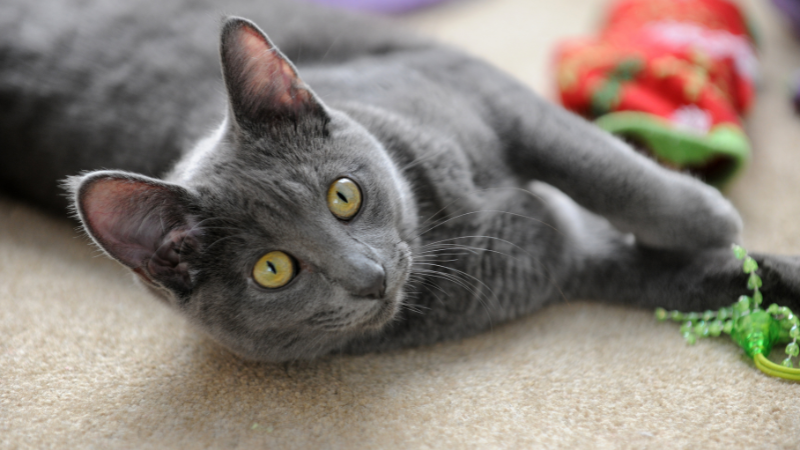
- Silvery-Blue Single Coat: They sport a single layer of short, glossy hair that lies close to the body. The roots are blue, transitioning to silver at the tips, giving them a shimmering glow.
- Magical Eye Color Changes: Korat kittens are born with yellow or amber eyes. As they mature into adulthood (around 2 to 4 years), their eyes turn into a brilliant, luminous green.
- Body Size and Weight: They are a medium-sized breed. Adult females usually weigh 6 to 8 pounds, while males weigh between 8 and 11 pounds.
Personality and Temperament
Korats are highly people-oriented, expressive, and possess acute senses of hearing, sight, and scent.
- Velcro Cats: They form an incredibly strong bond with their owners and love to follow them from room to room.
- High Intelligence: These cats are incredibly smart, capable of learning tricks, retrieving toys, and opening doors.
- Interaction with Children: They are gentle and playful, making them excellent companions for respectful older children.
- Compatibility with Other Pets: They get along well with other cats and dog breeds, though they prefer to hold the “alpha” position in the household.
- Attention Demand: Korats do not tolerate long periods of isolation. If left alone for hours, they can experience separation anxiety.
Korat Cat vs Russian Blue vs Chartreux
It is common to confuse the Korat with other popular grey-blue cat breeds. Here is a quick comparison table to help you identify the differences:
Feature | Korat Cat | Russian Blue | Chartreux |
Face Shape | Heart-shaped | Wedge-shaped | Round, smiling jowls |
Coat Type | Single coat (Lies flat) | Double coat (Plush, dense) | Woolly, water-resistant |
Eye Color | Luminous Green | Emerald Green | Copper to Orange |
Independence | Low (Demands attention) | High (Tolerates alone time) | Medium (Laidback) |
Korat Cat Care Guide: Grooming, Diet & Training
Caring for a Korat is relatively straightforward, but they require consistent mental and physical stimulation.
Grooming & Hygiene
Because Korats have a single coat and no downy undercoat, they shed very little. A gentle weekly brushing is enough to remove loose hair. Clean their ears weekly and brush their teeth regularly to avoid periodontal disease.
Diet and Nutrition
Provide high-quality, high-protein wet and dry cat food tailored to their life stage (kitten, adult, or senior). Always ensure fresh water is available to prevent urinary tract issues.
Exercise, Play, and Training
Korats are energetic and love interactive play. Invest in puzzle toys, cat trees, and scratching posts. Because of their high intelligence, they can easily be leash-trained or taught to play fetch.
No. 1 Pet Care in the UAE – Korat Cat Care
Cat Sitting Services
Cat Boarding Services
Health Issues and Lifespan
The Korat is generally a very healthy and robust breed with an average lifespan of 12 to 15 years (some live up to 18-20 years with proper care). However, they are genetically prone to one specific severe health issue:
- GM1 and GM2 Gangliosidosis: A rare genetic metabolic disorder that attacks the nervous system. Fortunately, responsible breeders use DNA testing to completely eliminate this disease from their breeding lines.
- Low Body Fat: Korats naturally carry very low body fat, meaning they are highly sensitive to anesthesia and cold temperatures.