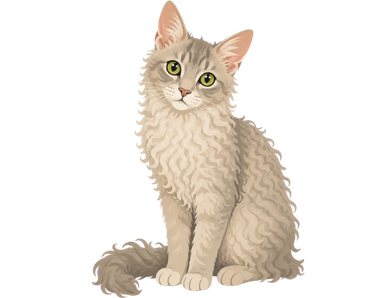


The LaPerm is a naturally occurring mutation producing both long- and short-haired cats. It is medium-sized, curly-coated, with moderate type. All coat colors and eye colors are acceptable. All parts of the body are in harmony with the size of the cat. There is evidence of surprising weight for size
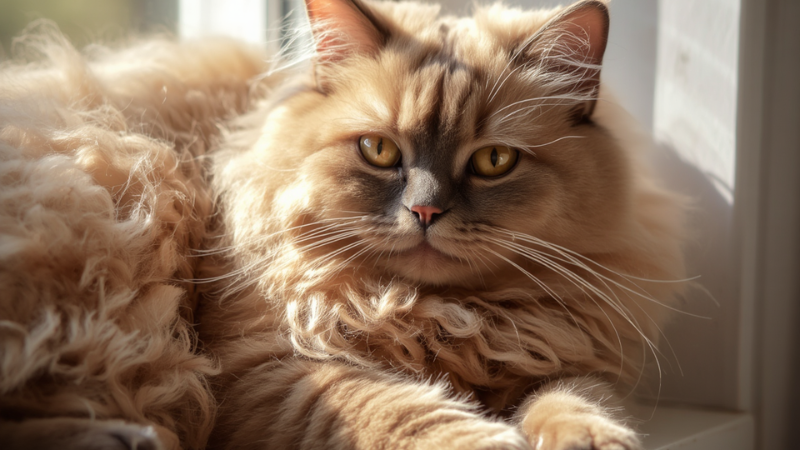
Physical Characteristics of the LaPerm Cat
The LaPerm cat is a medium-sized, athletic breed instantly recognizable by its unique curly or wavy coat that stands loosely away from the body. It is a well-balanced feline of moderation with a sturdy build that often feels surprisingly heavy for its size.
Coat and Texture
The coat is the defining characteristic of the breed, caused by a distinct genetic mutation.
- Texture: Soft, light, and springy to the touch with an airy, textured feel.
- Curls: Varies from loose waves to tight ringlets and corkscrew curls.
- Placement: Curls are tightest on the belly, throat, and base of the ears.
- Facial Hair: Features distinct curly whiskers and kinked eyebrows
LaPerm Cat Personality and Temperament
The LaPerm is an exceptionally affectionate, highly intelligent, and inquisitive “people cat” that thrives on human companionship. Famous for their unique curly coats, these felines perfectly balance a mischievous, clown-like playful streak with a deeply gentle, laid-back lap-cat disposition.
Core Personality Traits
- Deeply Affectionate: LaPerms love physical contact and eagerly seek out cuddles. They will often nuzzle your face, purr loudly, or use a soft paw to tap your cheek for attention.
- Inquisitive & Involved: True to their barn-cat roots, they are highly curious and want to oversee everything you do. It is common to find them riding comfortably on their owner’s shoulders.
Are LaPerm Cats Good Family Pets?
LaPerm cats make excellent family pets because of their exceptionally affectionate, patient, and highly adaptable nature. They thrive on human companionship and love to be fully integrated into daily family activities.
Why They Excel in Families
- Patient with Children: They are gentle and handle the energy of kids well, though toddlers should be supervised to avoid curl-pulling.
- Great with Other Pets: Their social demeanor makes them highly compatible with cat-friendly dogs and other household felines.
- Playful and Trainable: Highly intelligent, they love learning tricks, solving puzzle feeders, and playing interactive games like fetch.
- Affectionate Companions: They strike a perfect balance between being active playtime partners and cozy lap-loving cuddlers.
Feeding and Nutrition
LaPerm cats require a balanced diet high in animal protein and moisture to support their unique, curly coats and active energy levels. Because they are a natural, athletic breed, their nutrition should focus on maintaining lean muscle mass and preventing obesity, which can strain their joints.
Core Dietary Requirements
- High Protein: Essential for muscle maintenance and coat health. Look for real meat (like chicken or salmon) as the first ingredient.
- Low Carbohydrates: Cats are obligate carnivores and do not digest grains or fillers efficiently.
- Omega-3 and Omega-6 Fatty Acids: Vital for nurturing the LaPerm’s distinct, wavy fur and preventing dry skin.
- High Moisture: Crucial for kidney and urinary tract health.
LaPerm Cat Lifespan
The average lifespan of a LaPerm cat is 12 to 15 years, with many well-cared-for individuals living into their late teens. Because they descended from hardy American barn cats and maintain a highly diverse genetic pool, they suffer from fewer inherited health problems than many other pedigree breeds.
Key Factors Influencing Longevity
- Indoor vs. Outdoor Living: Indoor LaPerms live significantly longer. They are protected from traffic, predators, infectious diseases, and extreme weather.
- Diet and Weight Management: Obesity is a primary driver of life-shortening feline illnesses like diabetes and joint disease. Keeping your LaPerm lean adds years to their life.
- Hydration: Cats have a low thirst drive. Feeding wet food regularly helps protect their kidneys from Chronic Kidney Disease (CKD), a leading cause of death in senior cats.
- Routine Veterinary Care: Annual checkups (bi-annual for seniors over 10) help catch subtle metabolic, dental, or organ changes before they become life-threatening.
Life Stages of a LaPerm
- Kittenhood (0–1 Year): Rapid growth and high energy. Focuses on vaccinations and socialization.
- Prime Adult (1–10 Years): Peak athletic years. Focus shifts to maintaining weight and preventing dental plaque.
- Senior Years (11–15+ Years): Activity slows down. Requires closer monitoring for arthritis, kidney function, and vision or hearing loss.
LaPerm Cat Care & Services in the UAE
Professional Cat Sitting Services
In-Home Cat Boarding Services
Fun Facts About LaPerm Cats
Born Bald: Many LaPerm kittens are born completely hairless or lose their initial coat within weeks, leaving them totally bald before growing their trademark curls around four months of age.
The Barn Cat Origin: The entire breed traces back to a single 1982 barn kitten named “Curly” born on a cherry orchard in The Dalles, Oregon.
A Native American Name: The breed name combines the French/Chinook jargon word “La” with “Perm” to mimic the curly, permed hairstyle popular in the 1980s.
Curly Whiskers: LaPerms do not just have curly body fur; their whiskers and eyebrow hairs are often completely crinkled, curled, or bent.
Pest Control Experts: Because they evolved naturally from hard-working barn cats, they retain an incredibly high prey drive and excellent hunting instincts