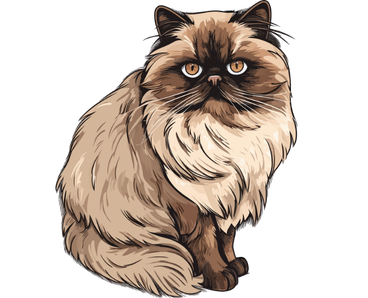


The Himalayan cat is a popular long-haired cat breed created by crossing the Persian Cat and the Siamese Cat. Known for its striking blue eyes, color-point coat pattern, and gentle personality, the Himalayan combines the luxurious appearance of a Persian with the distinctive coloring of a Siamese. These affectionate cats thrive in indoor environments and are highly valued for their calm nature, beauty, and strong bonds with their families.
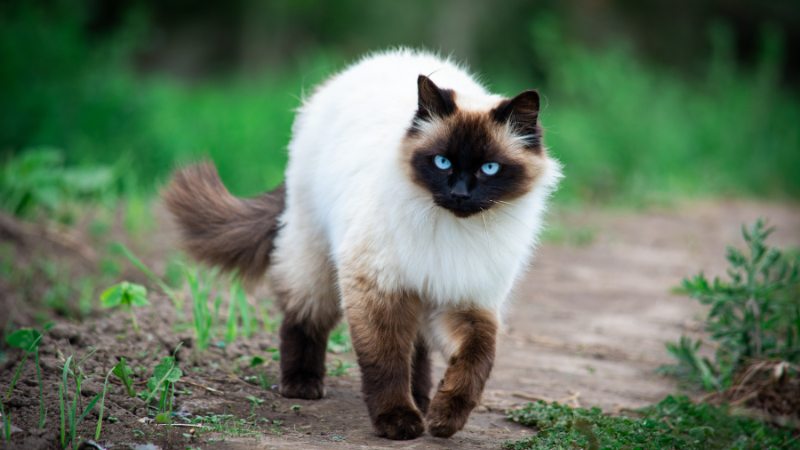
The Himalayan cat was developed during the 1930s and 1940s through selective breeding programs aimed at combining the Persian’s long coat with the Siamese’s color-point markings. The breed gained recognition in North America and quickly became one of the most admired companion cats worldwide. Today, Himalayans are appreciated for their elegant appearance, affectionate temperament, and suitability for families, singles, and seniors seeking a loving indoor pet.
Physical Appearance of a Himalayan Cat
The Himalayan cat is an elegant, medium-to-large breed known for its plush coat, round features, and striking blue eyes. It has a strong, compact body similar to the Persian cat, combined with the color-point pattern of the Siamese cat. Its overall appearance is soft, fluffy, and highly symmetrical, giving it a very calm and luxurious look.
Size and Weight
Himalayan cats are medium-to-large in size with a sturdy, muscular build. Adult males typically weigh more than females, and both have a solid, well-balanced body structure that gives them a low-to-the-ground appearance.
Coat Type and Texture
They have a long, dense, and silky double coat that requires regular grooming. The fur is soft and thick, often giving them a fluffy, cloud-like appearance.
Himalayan Cat Colors and Patterns
Their coat features color-point patterns, meaning darker shades appear on the face, ears, paws, and tail. Common colors include seal, blue, chocolate, lilac, flame, cream, and tortie variations.
Eye Color
One of the most iconic features of Himalayan cats is their deep, vivid blue eyes. The intensity of the blue color adds to their expressive and gentle facial appearance.
Facial Features and Body Structure
Himalayans have a round face, short nose, full cheeks, and small, rounded ears. Their body is compact and cobby, with short legs and a broad chest, creating a balanced and plush overall look.
Himalayan Cat Personality and Temperament
The Himalayan cat is known for its calm, gentle, and affectionate personality, making it one of the most popular indoor companion breeds. A mix of the Persian Cat and the Siamese Cat, it combines a relaxed temperament with quiet social behavior. Himalayans enjoy peaceful environments, prefer close human bonding, and are happiest when they receive consistent attention and care in a stable home setting.
Are Himalayan Cats Affectionate?
Yes, Himalayan cats are highly affectionate and enjoy being close to their owners. They often form strong emotional bonds and like sitting beside or near their favorite humans rather than constantly demanding attention.
Intelligence and Trainability
Himalayans are moderately intelligent and can learn simple routines, litter habits, and basic commands. They respond best to gentle training methods and positive reinforcement rather than strict discipline.
Activity Level and Playfulness
This breed has a low to moderate activity level. They enjoy short play sessions but are not overly energetic or hyperactive, preferring calm indoor environments over constant stimulation.
Behavior Around Family Members
Himalayan cats are generally quiet, well-mannered, and observant. They tend to stay close to family members but are not overly clingy, making them ideal for relaxed households.
Compatibility With Children
They are good with gentle and respectful children. Because of their calm nature, they prefer soft handling and may withdraw if play becomes too rough or noisy.
Living With Other Pets
Himalayans usually get along well with other calm pets, especially cats and well-behaved dogs. They prefer non-aggressive companions and thrive in peaceful multi-pet homes.
Himalayan Cat Health and Lifespan
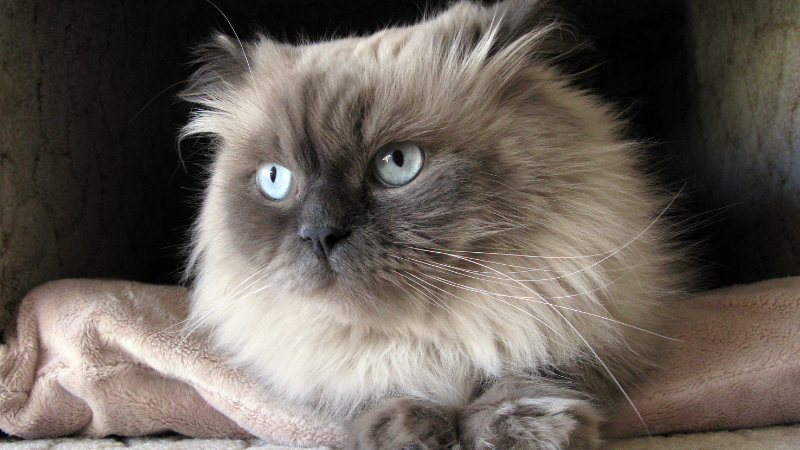
The Himalayan cat is generally a healthy breed, but like many purebred cats, it can be prone to certain inherited and structural health issues. With proper care, a balanced diet, and regular veterinary checkups, Himalayans can live a long and comfortable life as indoor companions. Their overall health is closely linked to grooming, weight management, and preventive care routines.
Average Lifespan
The average lifespan of a Himalayan cat is around 9 to 15 years. Indoor living, proper nutrition, and routine health monitoring can significantly improve longevity and quality of life.
Common Health Problems
Himalayans may be susceptible to several hereditary and breed-related health conditions that owners should be aware of.
1. Polycystic Kidney Disease (PKD)
PKD is a genetic condition that can affect kidney function over time. Responsible breeding and early screening are important for prevention.
2. Respiratory Issues
Due to their flat-faced (brachycephalic) structure, Himalayans may experience breathing difficulties, especially in hot or humid conditions.
3. Eye Conditions
They are prone to excessive tearing and certain eye infections because of their facial structure, requiring regular cleaning and care.
4. Dental Problems
Dental disease is common in this breed, making regular teeth cleaning and dental checkups essential.
5. Obesity Risks
Because of their low activity level, Himalayans can easily gain weight if overfed, increasing the risk of other health complications.
Preventive Healthcare Tips
Regular veterinary visits, a balanced diet, daily grooming, controlled portion feeding, and maintaining an indoor lifestyle are key to keeping a Himalayan cat healthy and active throughout its life.
Himalayan Cat vs Ragdoll Cat
The Himalayan cat and the Ragdoll Cat are both popular long-haired companion breeds, but they differ in appearance, temperament, and care needs. The Himalayan, a cross between the Persian Cat and the Siamese Cat, has a compact body, dense coat, and a more reserved, calm personality. In contrast, Ragdolls are larger, more relaxed in body posture, and often described as “floppy” when picked up due to their extremely gentle nature.
While both breeds are affectionate and ideal for indoor living, Ragdolls tend to be more social and playful, often following their owners around the house. Himalayans are quieter and more independent, preferring calm environments. Grooming needs are high for both, but Himalayans usually require more maintenance due to their thicker, more mat-prone coat.
Trusted Himalayan Cat Care Services Across the UAE
Himalayan Cats need gentle handling, regular grooming, and personalized attention. Pawland is a top-rated, award-winning, and recognized pet care company trusted by hundreds of cat parents across the UAE. We provide professional Cat Sitting, Cat Boarding, grooming, pet transportation, medication support, and personalized in-home care throughout Dubai, Abu Dhabi, Sharjah, Ajman, Ras Al Khaimah, Fujairah, and other UAE locations.
Cat Sitting Services for Himalayan Cats
Our Cat sitting services keep your Himalayan Cat comfortable in a familiar environment with one-on-one care. Pawland‘s verified sitters provide feeding, grooming, litter cleaning, playtime, medication support, and regular photo updates for cat owners across Dubai, Abu Dhabi, Sharjah, and throughout the UAE.
Cat Boarding Services for Himalayan Cats
Our Cat boarding services offer a safe, home-based alternative to traditional catteries for Himalayan Cats. With personalized attention, routine feeding, grooming support, medication administration, and stress-free care, your cat enjoys a comfortable stay with trusted Pawland sitters anywhere in the UAE.
Cost of Owning a Himalayan Cat
Owning a Himalayan cat in the UAE costs roughly AED 2,500 to AED 8,500 upfront, followed by an ongoing monthly commitment of AED 450 to AED 1,000+. Because Himalayan cats are a flat-faced (brachycephalic), long-haired pedigree breed, they are more expensive to maintain than standard cats due to mandatory frequent professional grooming and breed-specific healthcare requirements.