

When summer arrives, keeping your dog cool becomes an important part of responsible pet care. Hot weather can make dogs uncomfortable and may increase the risk of overheating, heat exhaustion, and heat stroke. Since dogs mainly rely on panting to release heat, they can struggle to cool themselves when temperatures become too high.
Fortunately, keeping your dog comfortable during summer does not have to be complicated. Simple steps such as providing fresh water, improving airflow, using a cooling mat, and avoiding outdoor activities during the hottest hours can make a big difference. Here are five practical ways to help your dog stay cool and safe during hot weather.
1. Use a Fan to Improve Airflow
A fan can help make a warm room more comfortable for your dog. However, every dog has a different preference. Some dogs enjoy standing or lying in front of a fan, while others dislike having air blowing directly toward their face and may simply move to another part of the room.
You do not need to point the fan directly at your dog for it to be useful. Placing it farther away can improve airflow throughout the room while allowing your dog to choose where they feel most comfortable. Some owners worry that a fan can give their dog a cold or dry out their eyes, but using a fan normally in a warm environment is unlikely to cause these problems. Avoid directing very cold air at your dog for long periods and always give them the option to move away.
2. Use Air Conditioning on Very Hot Days
Air conditioning can be a great way to keep your dog comfortable when outdoor temperatures become extreme. A cool indoor environment can also be a safer place for your dog during the hottest part of the day, especially if they are sensitive to heat.
You do not need to make the room extremely cold. A comfortable temperature for people in the home is generally a good starting point for dogs as well. Pay attention to your dog’s behavior and adjust the temperature if they seem uncomfortable. If your dog is relaxed and resting normally, the room is likely comfortable for them.
During very hot afternoons, keeping your dog indoors with good ventilation and air conditioning can help reduce their exposure to intense heat and direct sunlight.
3. Give Your Dog a Cooling Mat
A cooling mat can give your dog a comfortable place to rest when temperatures rise. Many cooling mats contain a pressure-activated gel that creates a cooling effect when your dog lies on the surface. Unlike electric cooling devices, most of these mats do not require electricity or refrigeration, making them easy to use at home.
Place the cooling mat in a shaded and comfortable area where your dog already likes to relax. Some dogs will immediately enjoy lying on a cooling mat, while others may need some time to get used to it. There is no need to force your dog to use it. Let them explore the mat and decide whether they want to lie on it.
Always follow the manufacturer’s instructions because cooling mats can differ in how long they stay cool and how much recovery time they need between uses.
4. Provide Plenty of Fresh Water
Fresh water is one of the most important things your dog needs during hot weather. Dogs often pant more when they are warm, and this can increase their need for fluids. Make sure your dog has access to clean, fresh water throughout the day and check the bowl regularly to ensure it has not become warm or empty.
You can add a few ice cubes to your dog’s water bowl if they enjoy them. Some dogs also like licking or playing with ice cubes, which can provide a refreshing activity on a hot day. Wet dog food can also provide additional moisture because it generally contains more water than dry food.
Certain fruits can be offered as occasional treats, but it is important to remember that not every fruit is safe for dogs. Some fruits may cause digestive problems, while others can be toxic. Always check that a food is safe for dogs before adding it to their diet.
5. Let Your Dog Enjoy Safe Water Activities
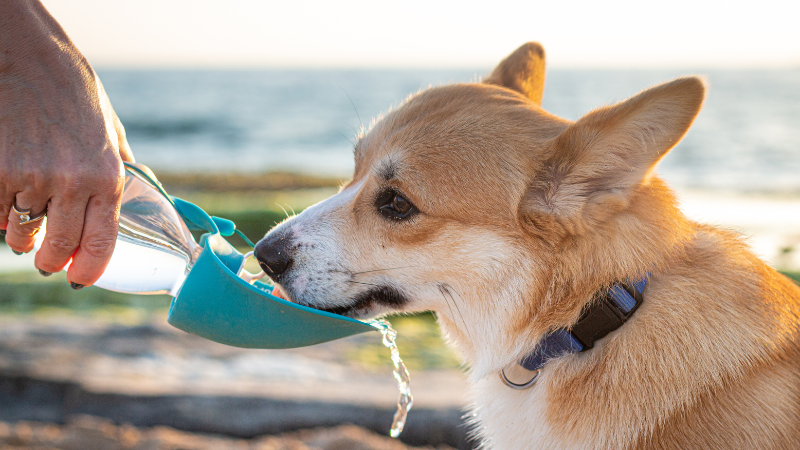
Water can be another simple way to help your dog feel more comfortable during hot weather. If your dog enjoys water, you can provide a shallow basin where they can stand or play. Some dogs may also enjoy playing with a sprinkler or spending time in a small amount of cool water.
You can also provide a cool, damp surface for your dog to lie on. A wet towel or cool floor may give them some relief when the weather is particularly warm. However, avoid using extremely cold water. Cooling your dog gradually is more comfortable and can help avoid unnecessary stress.
Most importantly, never force your dog into water if they are afraid or uncomfortable. Every dog reacts differently, so allow them to choose whether they want to play in the water or simply rest somewhere cool.
Avoid Walking Your Dog During the Hottest Hours
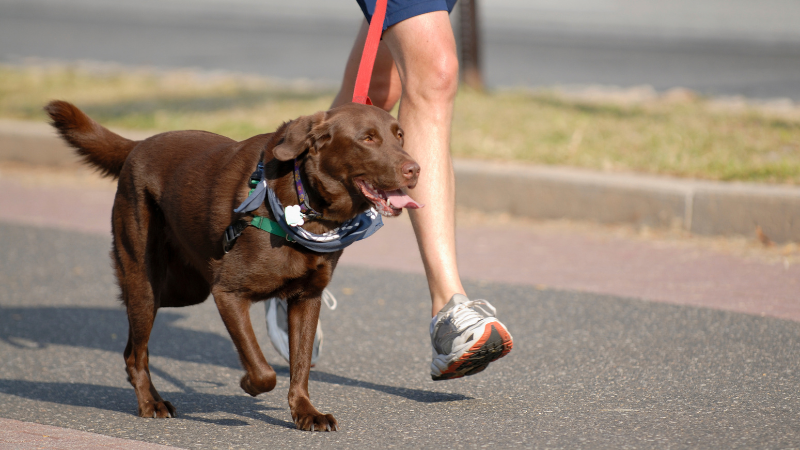
Changing your dog’s walking schedule can significantly reduce their risk of overheating. The middle of the day is usually much hotter than the early morning or evening, so avoid long walks, running, and intense exercise during peak temperatures.
Early morning and evening are generally better times for outdoor activities. You should also check the temperature of the pavement before taking your dog outside. Asphalt and concrete can become extremely hot under direct sunlight and may burn your dog’s paw pads. If your schedule makes it difficult to take your dog out during these cooler hours, a professional dog walking service can help maintain their regular exercise routine.
Whenever possible, choose shaded routes and allow your dog to take regular breaks. On extremely hot days, keeping outdoor walks short or skipping strenuous exercise altogether may be the safest choice.
Be Careful With Muzzles During Hot Weather
Dogs rely heavily on panting to release heat, so anything that restricts normal panting can make it harder for them to cool themselves. This is why extra care is needed when using a muzzle during hot weather.
If your dog needs to wear a muzzle, make sure it allows them to pant and drink normally. Avoid restrictive muzzles that prevent proper airflow, especially during exercise or on very hot days. If you are unsure whether a particular muzzle is suitable, ask a qualified professional for guidance.
Know the Signs of Overheating
Even with good preparation, dogs can still become overheated during extreme weather. Knowing the warning signs can help you recognize a problem before it becomes more serious. Heavy panting, excessive drooling, restlessness, weakness, unusual tiredness, vomiting, diarrhea, confusion, and unsteady movement can all be warning signs.
More severe symptoms may include difficulty breathing, collapse, or loss of consciousness. Heat stroke can be life-threatening, so serious symptoms should always be treated as an emergency. Move your dog to a cooler area and contact a veterinarian immediately if you suspect they are suffering from heat stroke.
How to Keep Your Dog Cool During Summer
Keeping your dog cool during summer is mostly about creating a comfortable environment and avoiding unnecessary exposure to extreme heat. Fresh water, good airflow, air conditioning, cooling mats, and safe water activities can all help your dog stay comfortable when temperatures rise.
It is also important to adjust your dog’s daily routine. Avoid walks and intense exercise during the hottest hours, choose cooler times for outdoor activities, and provide a shaded or air-conditioned place where your dog can rest.
For busy pet parents, planning dog walking services around the cooler parts of the day can also make it easier to maintain a safe and consistent exercise routine during summer.
Most importantly, learn to recognize how your own dog responds to heat. If they are panting heavily, becoming unusually tired, or trying to find a cooler place, take a break and help them get comfortable. With a little preparation and attention, you can help your dog enjoy the summer safely while reducing the risk of overheating and heat stroke.