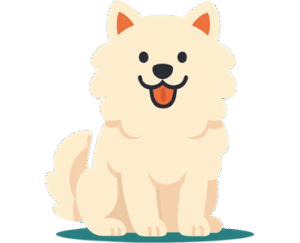



A Pomsky is a modern, human-created designer hybrid dog that results from crossing a Siberian Husky with a Pomeranian. The goal is to produce a companion pet that captures the striking wolf-like appearance and playful nature of a Husky, but fits into a smaller, more manageable size.
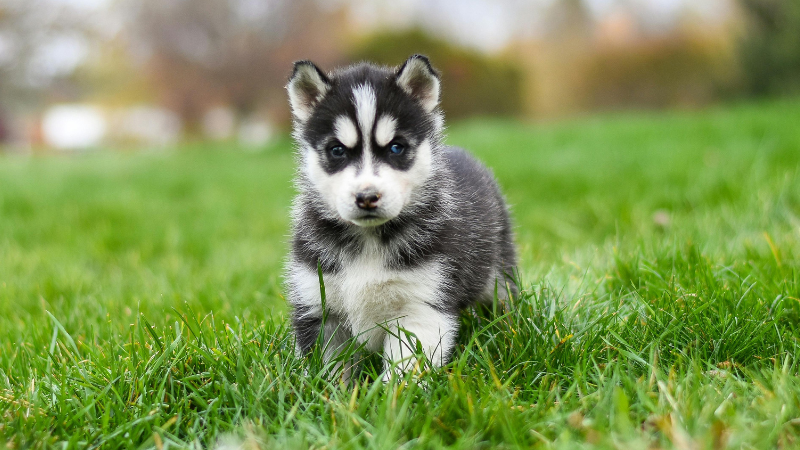
The concept emerged in the early 2010s. It gained widespread public interest in 2011 after a viral article featured adorable pictures of a “Pomsky” puppy (which were actually Finnish Lapphunds). This internet buzz prompted breeders in the United States to intentionally create the first genuine Pomsky litters around 2012.
Pomsky Parent Breeds
The Pomsky blends the traits of two distinct Spitz breeds:
- Siberian Husky: Known for their striking markings, beautiful blue or multi-colored eyes, thick coats, and high energy levels. They are friendly but have a strong prey drive and need significant exercise.
- Pomeranian: One of the smallest Spitz breeds. They are petite, highly social, incredibly loyal, and bring a fox-like tail and fluffy coat to the mix.
Because of the drastic size difference between the two, Pomskies are typically bred using artificial insemination, usually with a female Husky acting as the mother.
Why Pomskies Became So Popular
Pomskies skyrocketed to fame primarily because of their highly photogenic appearance and prevalence on social media. They act as the ultimate “best of both worlds” dog for many owners, offering the beloved, majestic look of a mini Husky combined with a size and sociable demeanor that easily adapts to home and apartment living.
Pomsky Dog Appearance
Pomskies are a popular designer crossbreed between a Siberian Husky and a Pomeranian. They generally look like miniature, fluffy Huskies with wolf-like markings. Because they are a mixed breed, their appearance varies wildly, even within the same litter.
Key Physical Traits
- Size & Weight: Typically a small-to-medium dog, reaching 10 to 15 inches tall at the shoulder and weighing between 20 and 30 pounds.
- Coat: They feature a thick, luxurious double coat designed for insulation. It can range from short and plush to long and fluffy.
- Colors: Coat colors heavily resemble the Husky lineage, featuring combinations of black, gray, brown, red, blue, and white, sometimes sporting the classic Husky “mask” pattern.
- Head & Ears: They have a wedge-shaped head, a tapered muzzle, and small, upright, triangular spitz-style ears.
- Eyes: Known for striking, expressive eyes which can be deep brown, amber, or bright, crystal blue. Heterochromia (different colored eyes) is also common.
- Tail: A plumed, furry tail that typically curls elegantly over their back.
Pomsky Temperament and Personality
Pomskies are highly energetic, intelligent, and affectionate dogs that combine the playfulness of a Pomeranian with the adventurous, “talkative” nature of a Siberian Husky. Because their temperament heavily depends on the genes they inherit, they require consistent training, socialization, and plenty of daily mental and physical stimulation.
A breakdown of the core temperament and personality traits of a Pomsky includes:
Core Personality Traits
- Playful & Active: They are far from lazy lapdogs. They love outdoor adventures, twice-daily walks, and playtime.
- Affectionate & Loyal: They bond deeply with their families, frequently craving cuddles and wanting to be involved in every aspect of your day.
- Vocal & Expressive: Inheriting traits from both breeds, they can be quite loud. Huskies are known for “talking” and howling, while Pomeranians are prone to yipping.
Challenges to Consider
- Stubborn Streak: They are highly intelligent but can easily become willful or bored, which demands a patient, consistent trainer.
- Separation Anxiety: Because they are so attached to their humans, they do not tolerate being left alone for long periods.
- Prey Drive: They often inherit the Husky’s prey drive, which means they may instinctively chase smaller animals like cats or rabbits unless trained otherwise.
Pomsky Size Chart and Growth Timeline
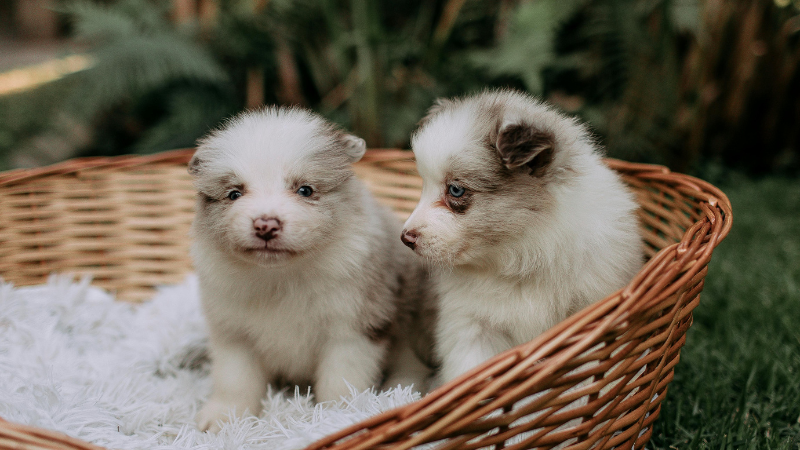
Pomskies typically mature into small-to-medium dogs weighing 15 to 30 pounds, reaching their full size between 10 to 12 months of age. Adult size largely depends on the exact genetic split from their parents rather than their generation, varying between toy, miniature, and standard classifications.
Pomsky Size Classifications
Because a Pomsky is a mix of a toy breed (Pomeranian) and a medium-large breed (Siberian Husky), adult sizes can vary significantly depending on which parent’s genes are dominant:
- Toy Pomsky: Up to 15 lbs | Under 10 inches tall
- Mini Pomsky: 12–20 lbs | Up to 14 inches tall
- Standard Pomsky: 20–35 lbs | 12–18 inches tall
Pomsky Growth Timeline
A general rule of thumb used by breeders to predict adult weight is that a puppy will weigh roughly 3 to 4 times their 8-week weight, or 2 times their 16-week weight.
Age | Development & Growth Milestones |
8 Weeks | Puppies typically weigh between 3 and 10 pounds, depending on their future adult size. |
3 Months (12 Weeks) | The puppy will be at roughly 50% of its eventual adult body weight. |
4 Months (16 Weeks) | Generally reaches about half of their final adult height and double their 16-week weight. |
6 Months | Growth slows down considerably. The puppy is close to its final height and length, but will appear lanky. They have reached about 75% of their adult weight. |
8–9 Months | Muscle mass increases as they begin to fill out and thicken into their adult body shape. |
10–12 Months | Fully grown. Toy-sized Pomskies may finish growing closer to 10 months, while larger Standard Pomskies will finish around 12 months. |
Top-Rated Dog Care Services in the UAE
Pawland delivers top-rated pet care services across Dubai, Abu Dhabi, Sharjah, and other UAE locations. From professional dog sitting and safe boarding to daily walks and personalized care, Pawland focuses on comfort, safety, trained caregivers, flexible booking, and stress-free experiences for every dog owner.
Dog Sitting Services in the UAE
Looking for reliable dog sitting services in Dubai, Abu Dhabi, or Sharjah? Pawland offers trusted in-home pet care, feeding, playtime, and companionship tailored to your dog’s routine. Perfect for busy owners, vacations, and daily care needs across the UAE.
Dog Boarding Services in the UAE
Pawland provides safe and comfortable dog boarding services across the UAE, including Dubai and Abu Dhabi. With supervised stays, clean spaces, regular feeding, and personalized attention, your dog enjoys a stress-free home-away-from-home experience.
Dog Walking Services in the UAE
Need professional dog walking services in the UAE? Pawland offers scheduled walks, exercise routines, and outdoor activities for dogs in Dubai, Sharjah, Abu Dhabi, and nearby areas. Keep your dog active, healthy, and happy with trusted local walkers.
Pomsky Feeding and Nutrition
Pomskies thrive on high-quality, high-protein kibble formulated for small to medium breeds with high energy.
- Animal protein: Look for real chicken, beef, or salmon as the first ingredient.
- Healthy fats: Omega-3 and Omega-6 fatty acids support their thick double coat.
- Caloric density: Active Pomskies burn calories fast and need nutrient-dense recipes.
- Size consideration: Small kibble sizes help prevent choking and fit smaller jaws.
Puppy Feeding Schedule
Growing Pomsky puppies need frequent, small meals to maintain blood sugar levels and support rapid growth.
- 2 to 4 months: Four meals per day.
- 4 to 6 months: Three meals per day.
- 6 months and older: Two meals per day.
- Portion control: Follow the packaging guidelines based on your puppy’s current weight.
Adult Pomsky Meal Plan
Once a Pomsky reaches 10 to 12 months old, transition them to a structured adult feeding routine.
- Frequency: Two equal meals per day, spaced 8 to 12 hours apart.
- Daily amount: Typically 1 to 1.5 cups of kibble total, split between meals.
- Adjust for activity: Lower the portion size if your dog is sedentary to prevent obesity.
- Weight monitoring: Check their ribs monthly; you should feel them easily but not see them.
Foods to Avoid
Certain human foods are highly toxic to Pomskies and can cause severe health complications.
- Chocolate: Contains dangerous stimulants.
- Grapes and raisins: Can trigger sudden kidney failure.
- Onions and garlic: Damage red blood cells and cause anemia.
- Xylitol: This artificial sweetener causes deadly blood sugar drops.
- Caffeine: Leads to dangerous heart rate spikes
Pomsky Lifespan and Long-Term Care
Pomskies (Siberian Husky and Pomeranian mixes) typically live between 12 to 15 years. To maximize their lifespan and ensure a high quality of life, long-term care requires managing their high energy levels, addressing breed-specific genetic health risks, and maintaining strict preventative care.
Expected Lifespan
A Pomsky’s life expectancy ranges from 12 to 15 years, with smaller (miniature) varieties sometimes living slightly longer than standard ones. Because it is a mixed breed, individual lifespans depend on which parent they take after most and their overall quality of care.
Core Long-Term Care Needs
Providing a strong foundation of daily care is essential for your Pomsky’s longevity:
- Exercise & Mental Stimulation: Pomskies pack a lot of energy into their frames. They require at least 1 hour of daily activity, combining physical walks with brain games to prevent destructive boredom.
- Coat Management: They inherit a thick, fluffy double coat that blows (sheds heavily) twice a year. Consistent brushing (2-3 times a week) prevents painful matting and promotes healthy skin.
- Nutritional Control: Because they are highly active, they need species-appropriate, high-quality dog food, but portion control is vital to prevent obesity, which puts extra strain on their joints.
Fun Facts About Pomsky Dogs
Pomskies are a popular designer mix between a Siberian Husky and a Pomeranian. Famous for their striking resemblance to miniature Huskies, these intelligent, high-energy pups generally weigh between 20 to 30 pounds and stand up to 15 inches tall.
These fascinating hybrid pups boast some incredible traits:
- Born from the Internet: Pomskies owe their existence to an internet meme! A viral 2011 BuzzFeed blog post featured pictures of Finnish Lapphund puppies, falsely claiming they were Siberian Husky/Pomeranian mixes. This sparked massive demand, prompting breeders to create the crossbreed in 2012.
- They “Talk” and Communicate: Like their Husky ancestors, Pomskies are famously vocal. Instead of just barking, they tend to “talk,” whine, and howl to express their feelings.
- They Love to Escape and Dig: Huskies are known for their athleticism and climbing/digging skills, and Pomskies inherit these exact traits. They can be clever escape artists if left unattended in a yard.
- Extreme Shedders: Pomskies have thick, double-layered coats designed for cold climates. They shed a lot and “blow” their entire undercoat twice a year. Daily brushing is required to keep their fluff under control.
- No Predictable Breed Standard: Because Pomskies are a first-generation mix, a litter can vary wildly. Two puppies from the same litter might look completely different, some might inherit the tiny size of a Pomeranian, while others get the full face markings and bright blue eyes of a Husky.
- Spitz Cousins: Both parent breeds, the Pomeranian and the Husky, actually belong to the Spitz family of dogs. Historically, the Pomeranian was also a sled dog before being selectively bred down into the tiny lap dog we know today.
- The “Two-Mode” Dog: Pomskies are known for having no in-between when it comes to their energy levels. They are either bouncing off the walls with energy or fast asleep